Phenomenology of Perception I Exhibit320, Delhi
2015
‘Phenomenology of Perception’ was a three person exhibition at Exhibit320, Delhi in 2015. Borrowing its title from the 1945 book by French philosopher Maurice Merlau-Ponty by the same name, it was curated by Meenakshi Thirukode and featured three south asian women artists, exploring a deeply layered relationship between linear drawings and architectural spaces through conceptual grounds of abstraction and minimalism.
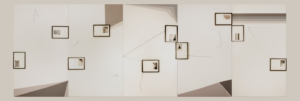
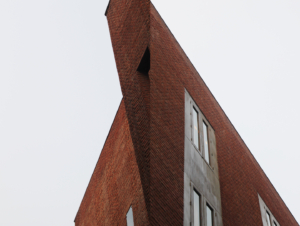
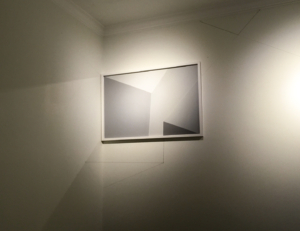
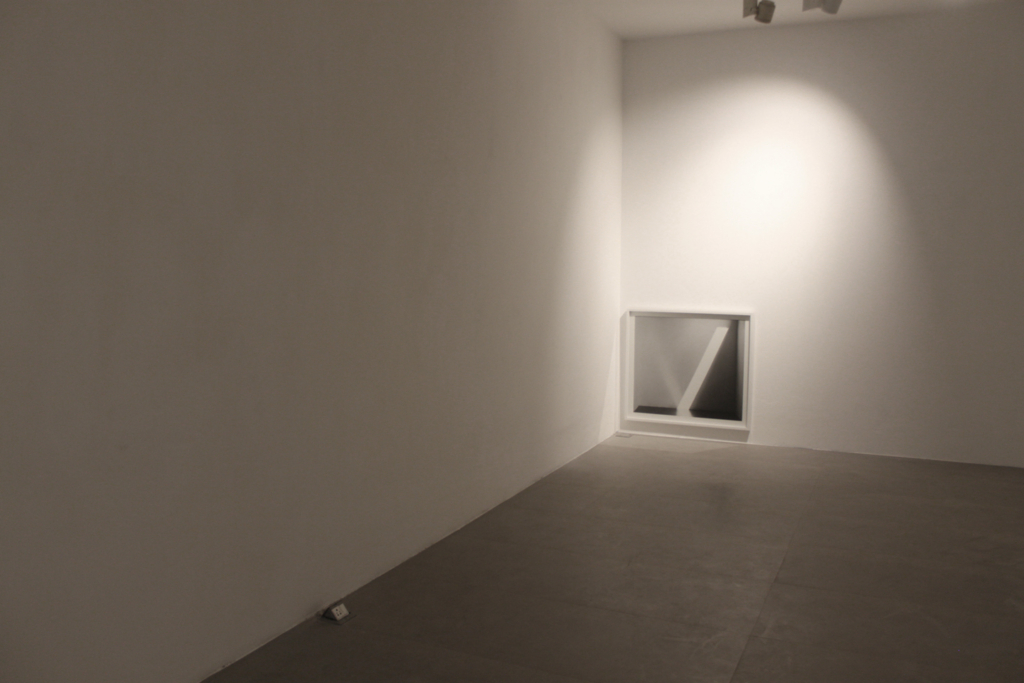
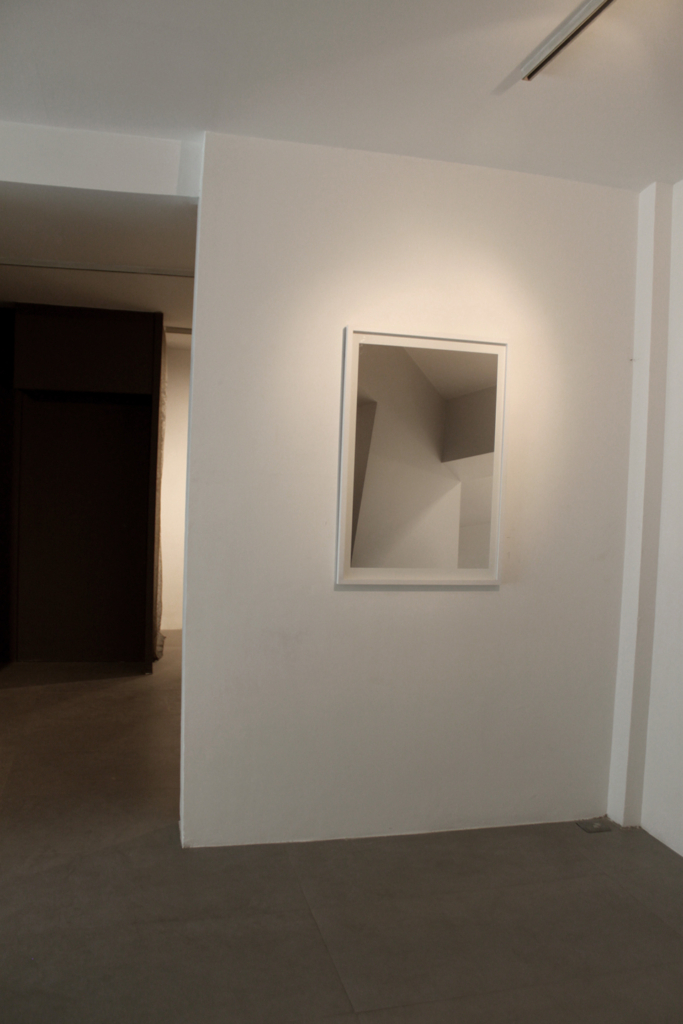
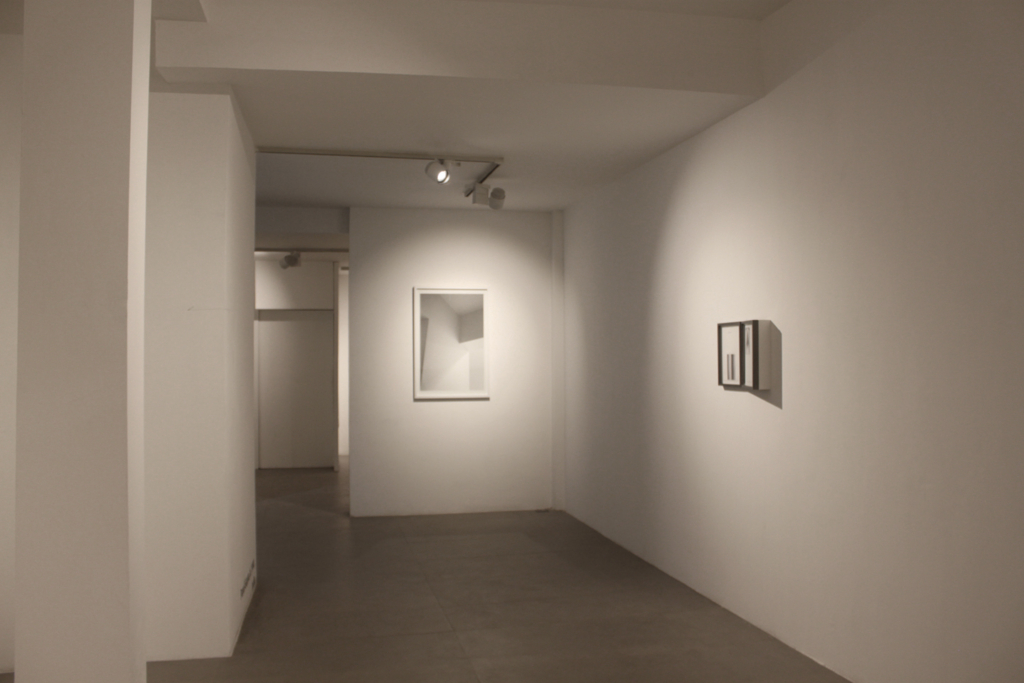
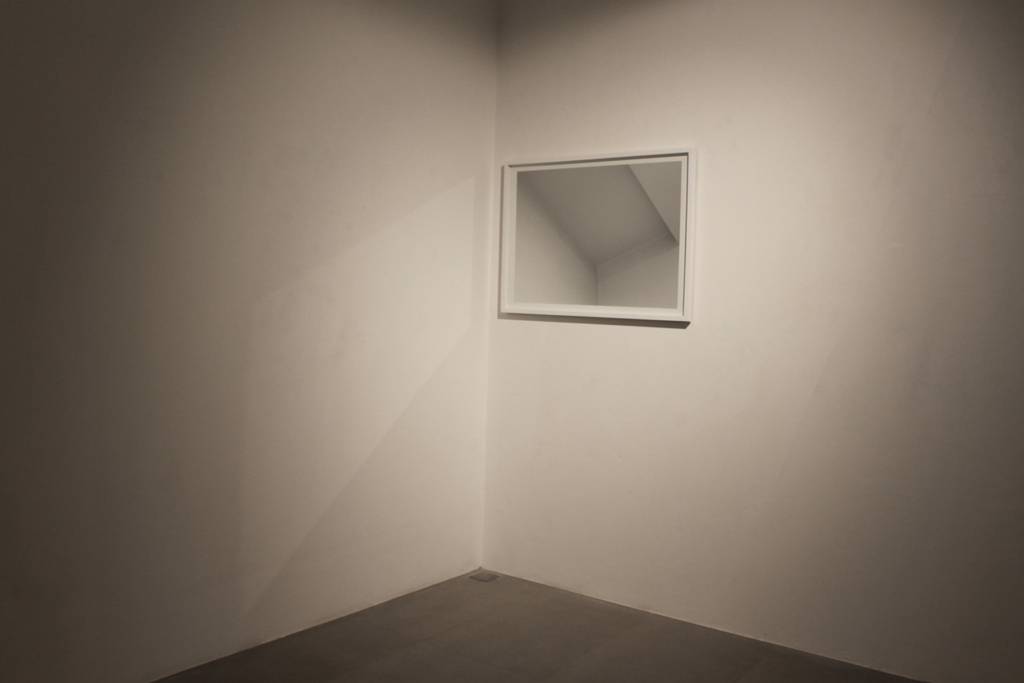
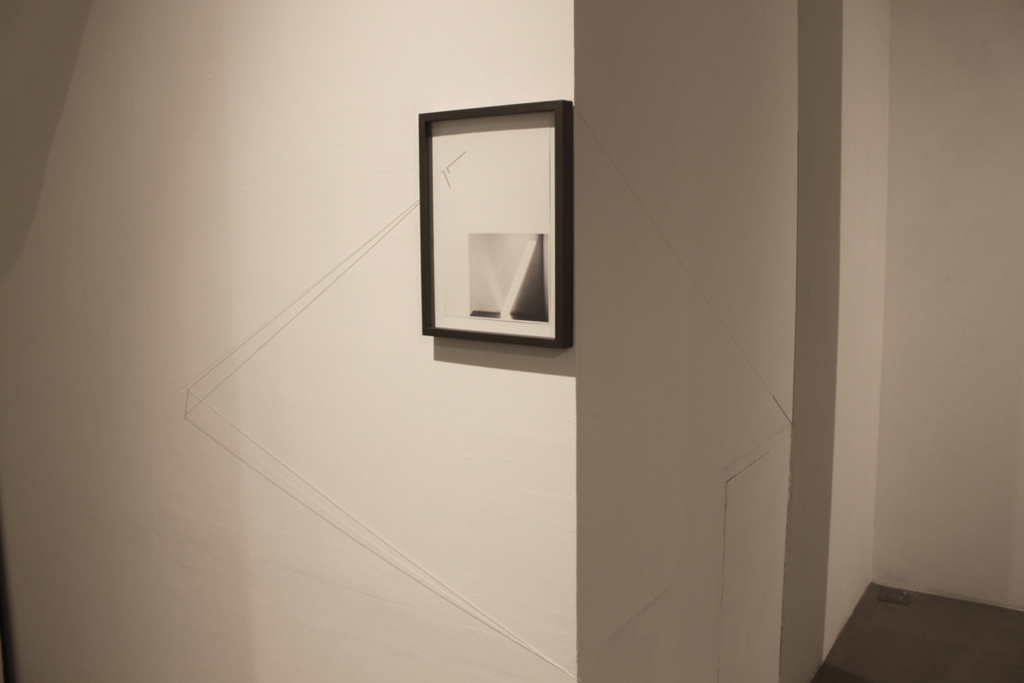
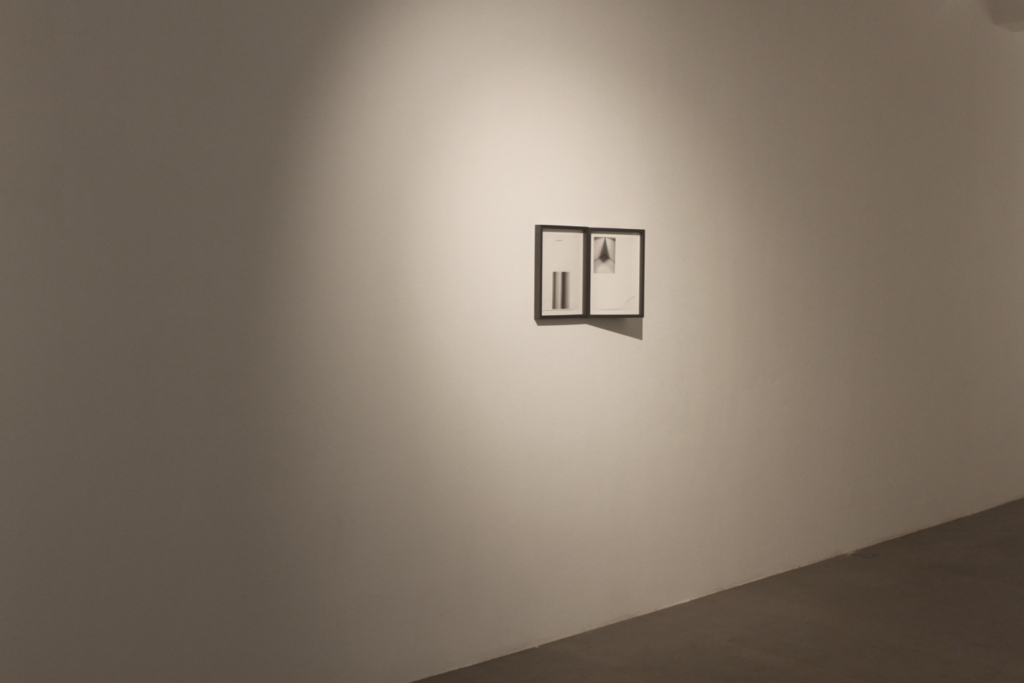
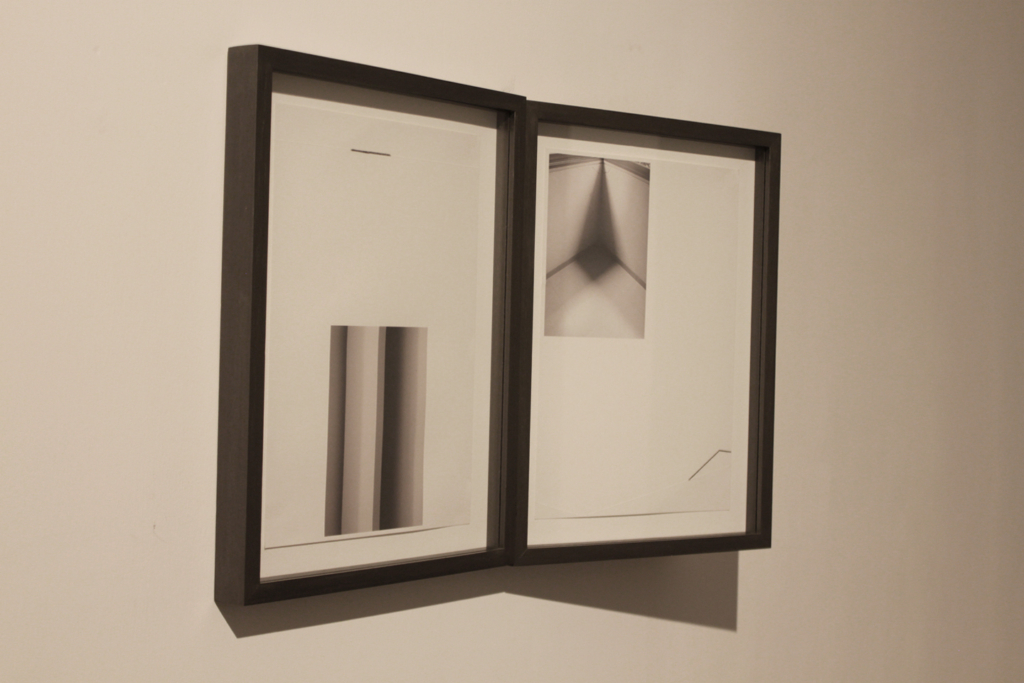
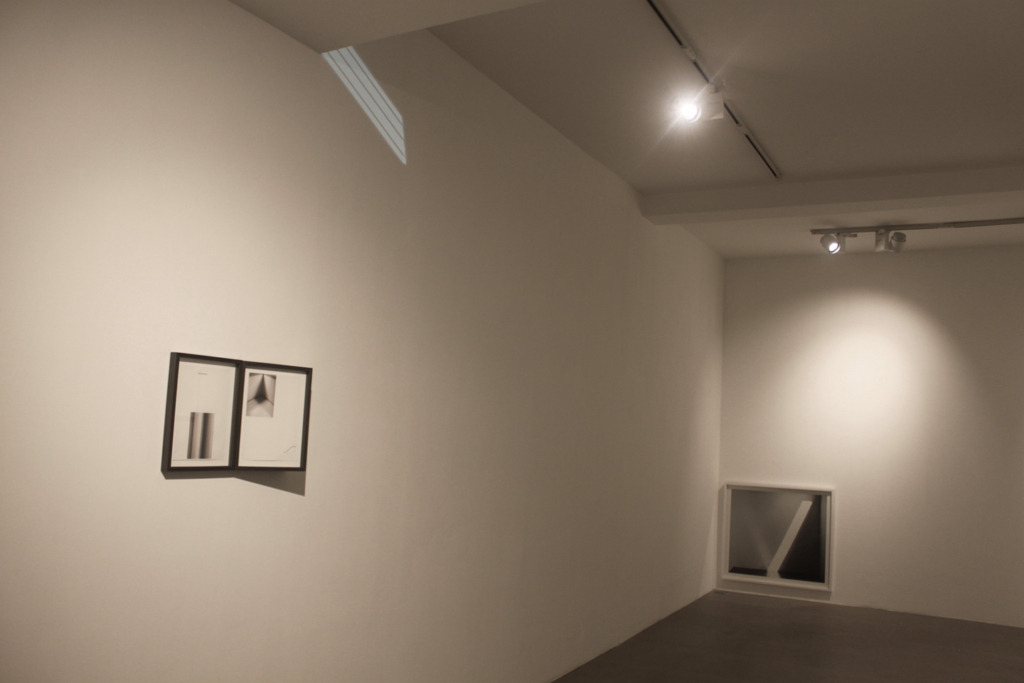
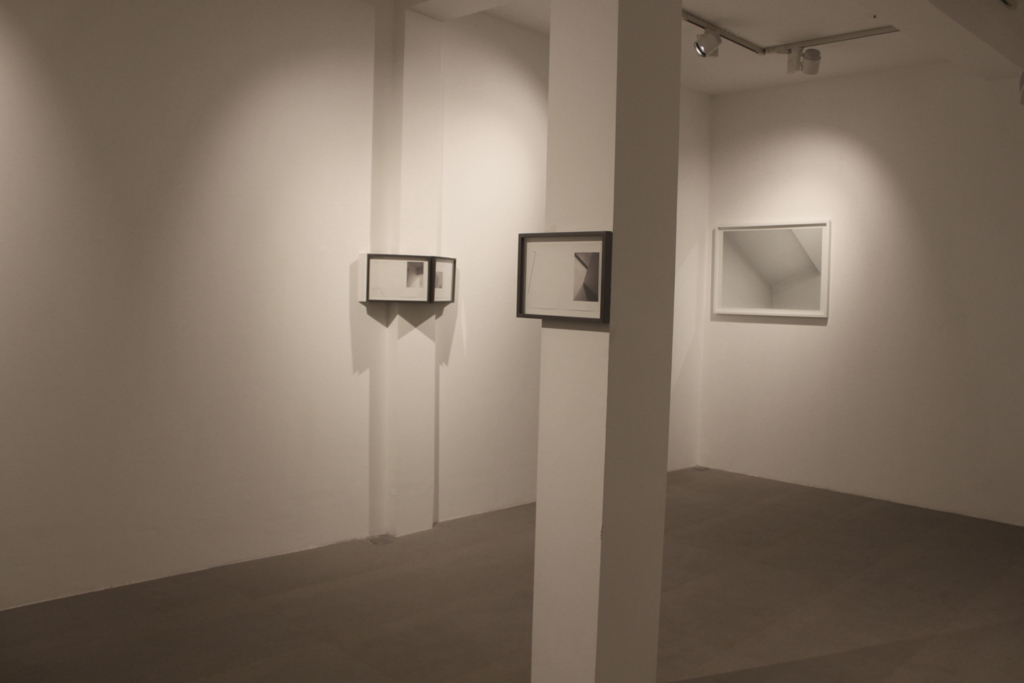
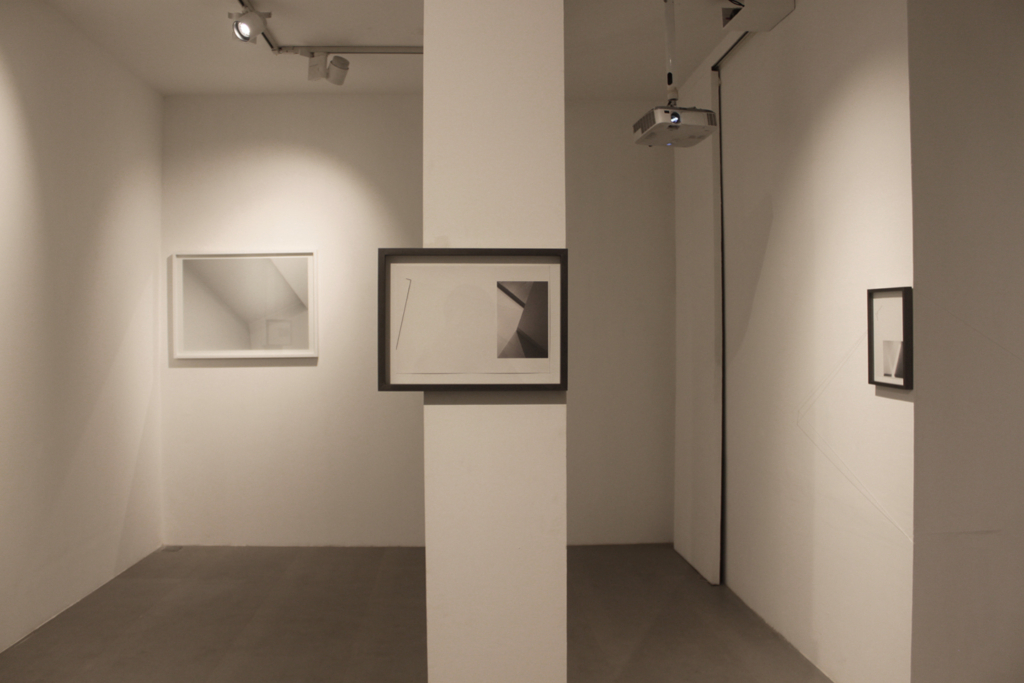
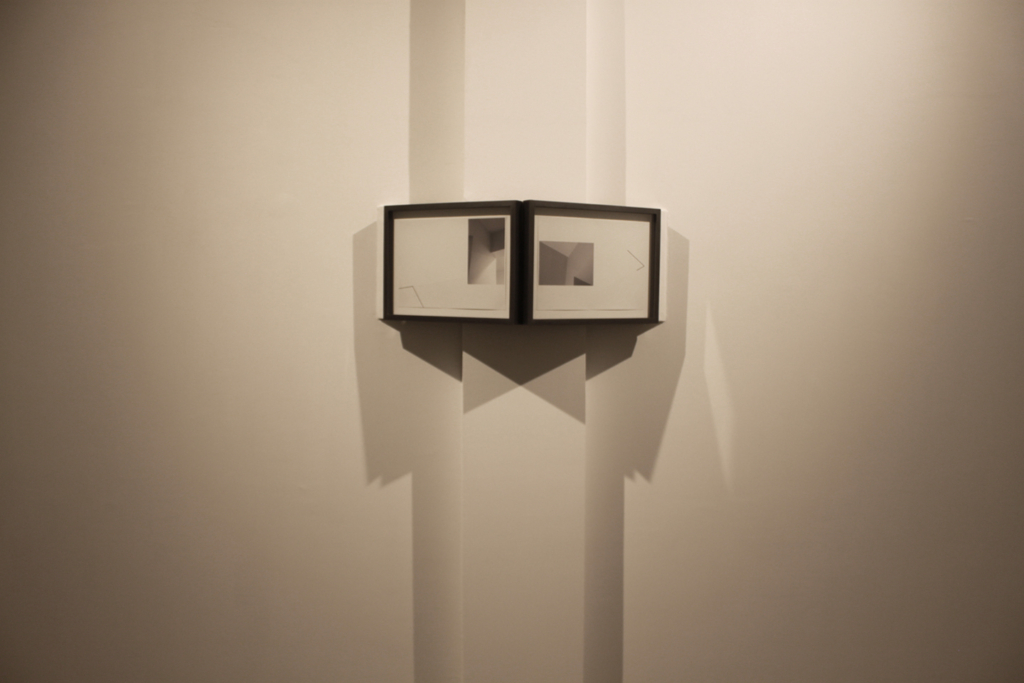
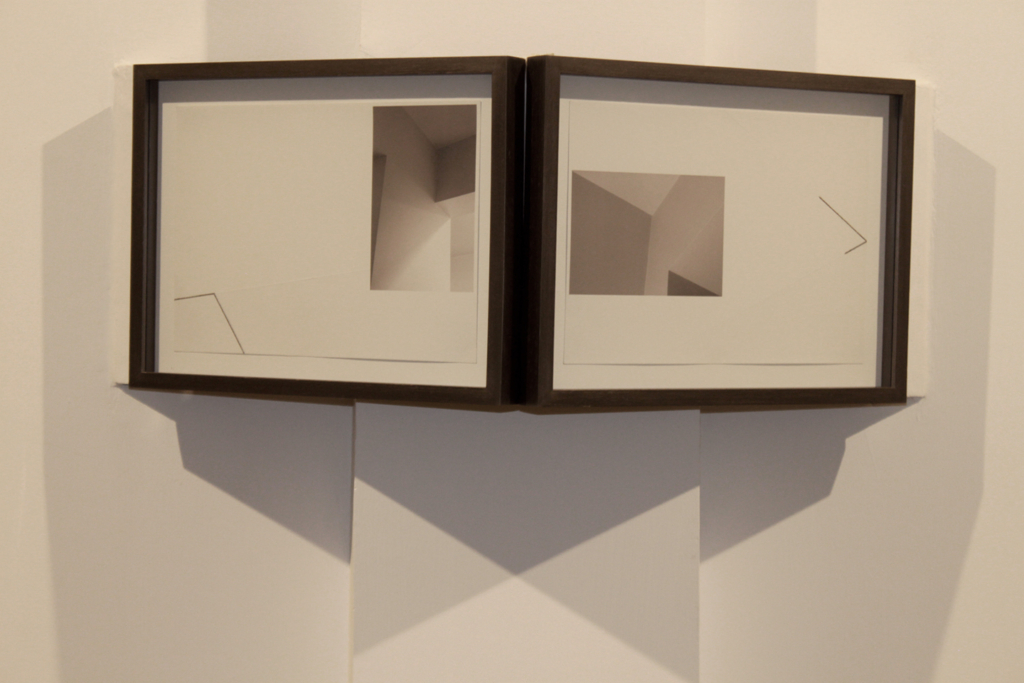
The exhibition was situated within a tripartite space, one section of which showcased works from my Extending the Line series. It encompassed a set of photographs, drawings on paper and on-site interventions that expanded upon the subtlety of bodily movement within its architectural surroundings through light and shadow. The mentioned series began during my residency at Space 118, Mumbai, in 2013. While staying at an allocated residential apartment there, I became interested in the temporary spatial forms created by the interaction of natural and artificial light, something which I closely observed and directly captured via photographs. The photographs focused upon moments when light and shadow produced geometric configurations across the architectural space’s walls, floors and ceilings. By isolating these transient conditions, the images transformed ordinary architectural spaces into ambiguous compositions that resembled drawings or constructed forms. Through the ‘Phenomenology of Perception’ exhibition, my primary intention was to bring focus upon this very ‘experience’ of the constituent works rather than simply displaying them. And thereby trying to recreate again the very idea of light and shadow that was earlier experienced while inhabiting the residential space.
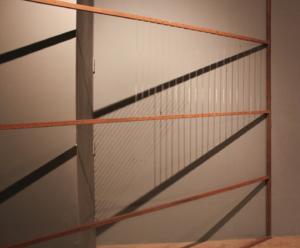
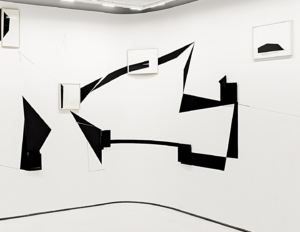
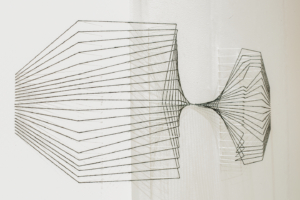
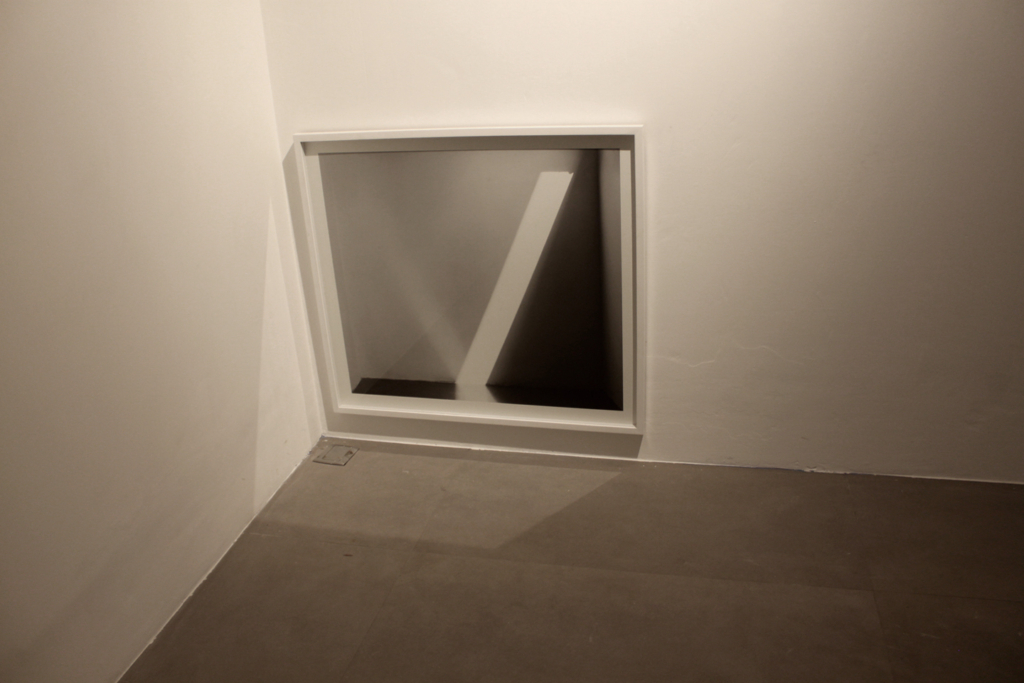
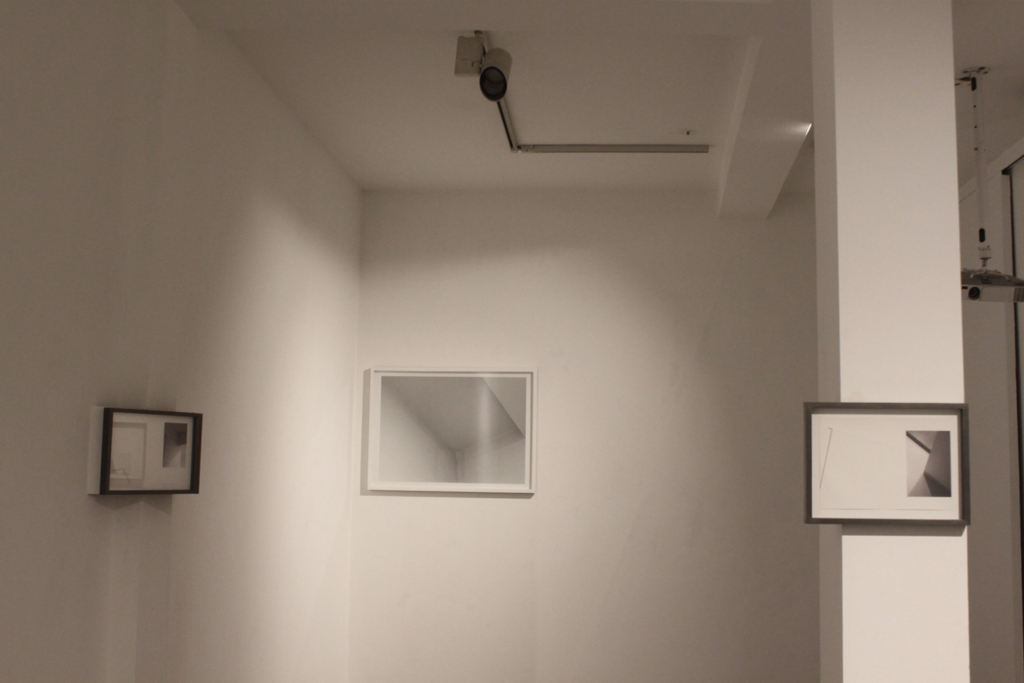
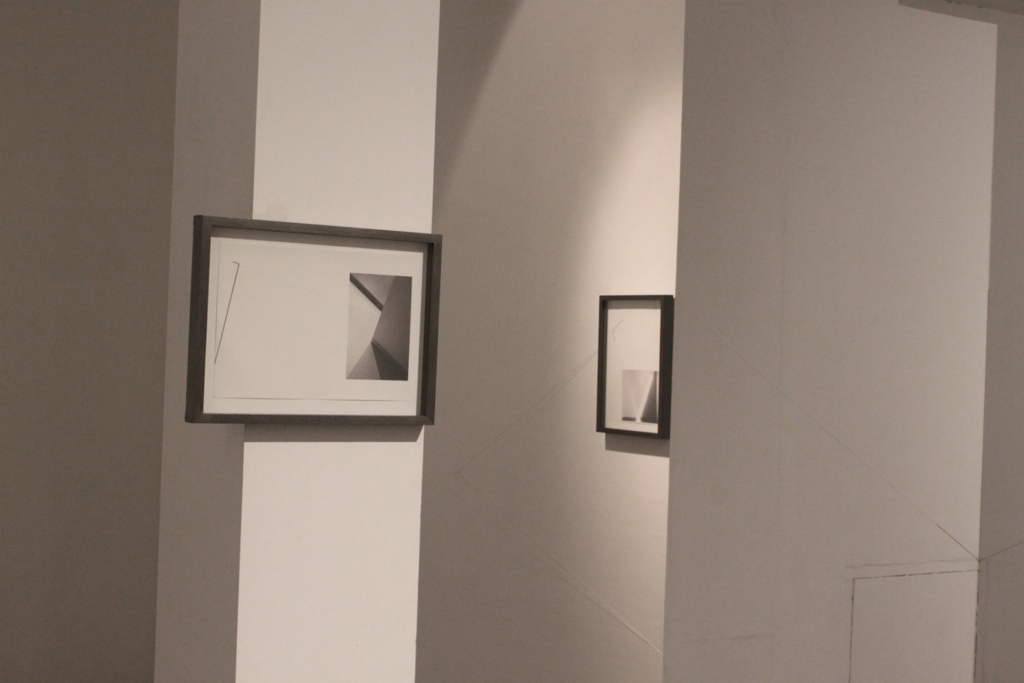
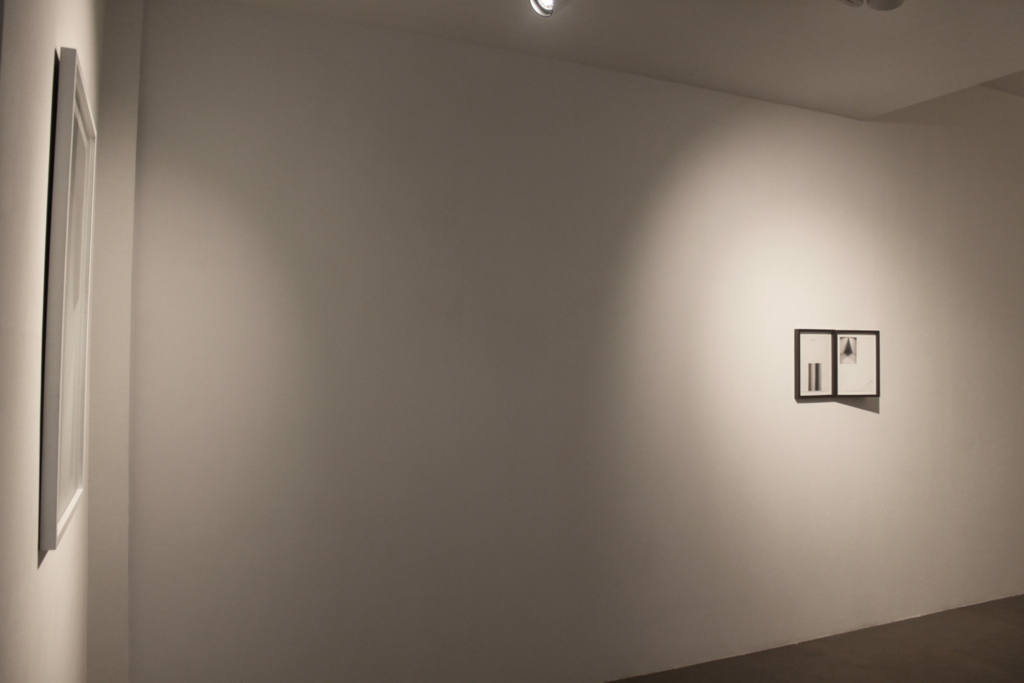
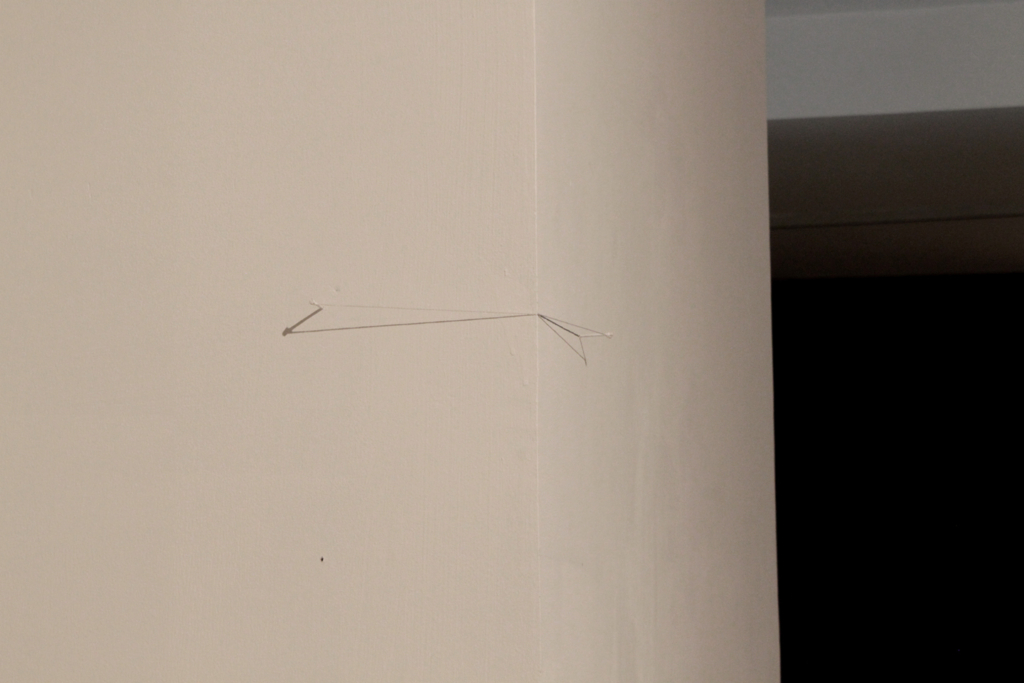
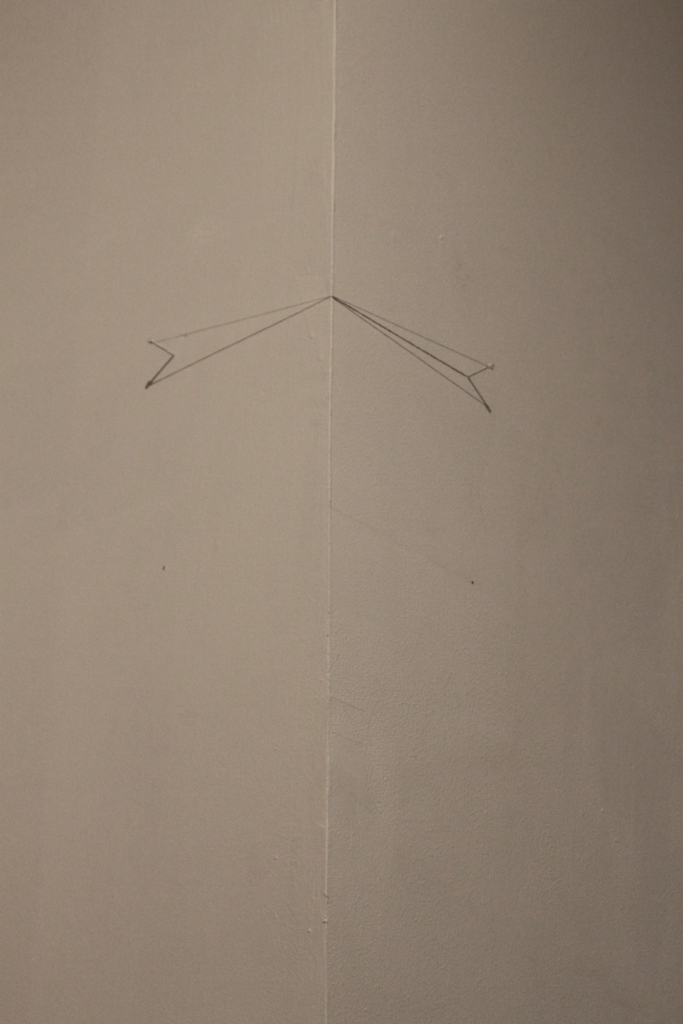
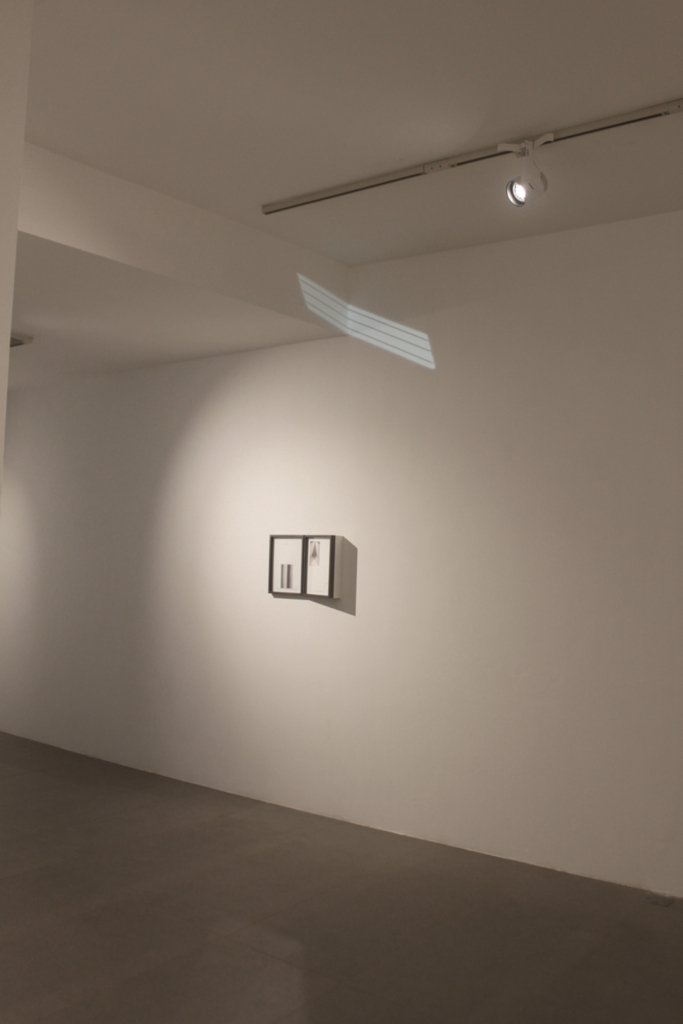
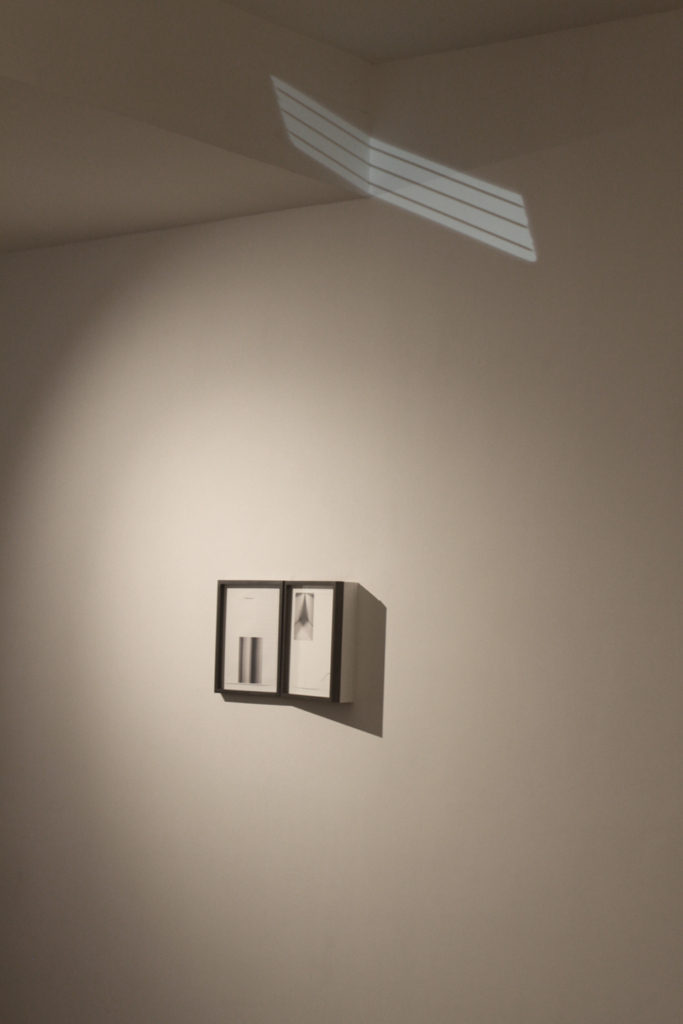
The framed photograph and drawing based works were displayed through an intentionally minimal spatial arrangement within the exhibit hall. Lines from displayed compositional forms physically extended into the surrounding space through the use of threads as their spatial extensions. Light and shadow became an active part of the exhibition’s visual language. Rays of light reflected by the glass surface of frames and bouncing off the walls, is an interesting moment witnessed through such spatial arrangement. Additional shadows were deliberately generated through the positioning of the works themselves or by placing extraneous structures behind their frames, thereby creating a secondary layer of shadow as light fell upon it. The works were installed along structural columns in a manner that allowed them to jut outward, disrupting the conventional relationship between artwork, displayed wall and the architectural space they inhabited.
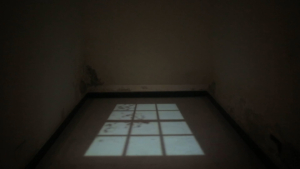
A light projection was also introduced onto the exhibition walls, simulating the movement and appearance of light rays entering through a window pane. However, no such architectural opening existed within the exhibition space and therefore it invoked within the minds of viewers a certain curiosity. The exhibition further explored the relationship between perception and shifts in spatial architecture through numerous subtle interventions. The initial idea that sparked such an engagement was drawn from an earlier site-specific project ‘Sarai Reader 09’, where scaffolding structures within an existing artwork in the exhibition at Devi Art Foundation’s building were activated through the use of transparent tape and interplay between light source and shadows formed within the architectural space. Here in this exhibition too, in one similar instance, shadows of a needle were deceptively drawn onto the white wall using a pencil, creating again the suggestion of the presence of an element or form that did not physically exist. Together, these dynamic interventions of drawing, light, architecture, and space formed an interconnected spatial experience, where a viewer’s bodily engagement became central to activate the architectural space, thereby shifting embodied perceptions associated in the due process.