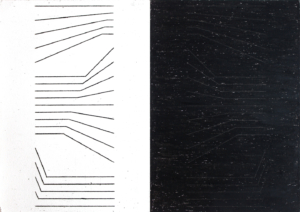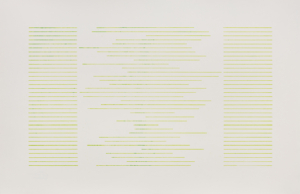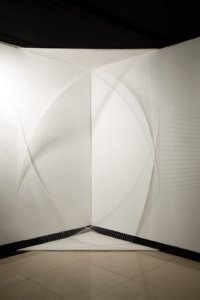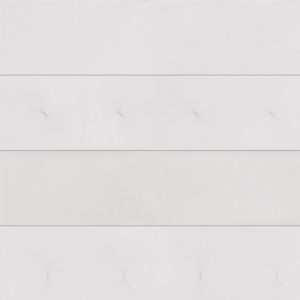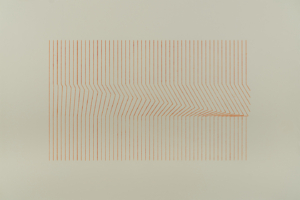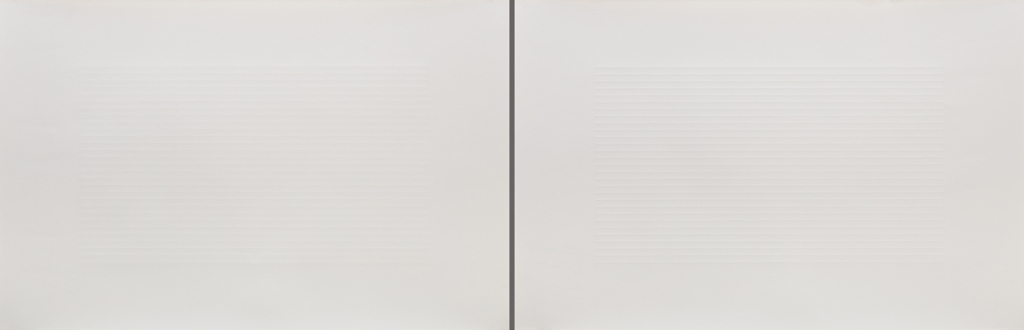
Chiaroscuro #1
2011 I Oil pastel and Etching on Archival Paper
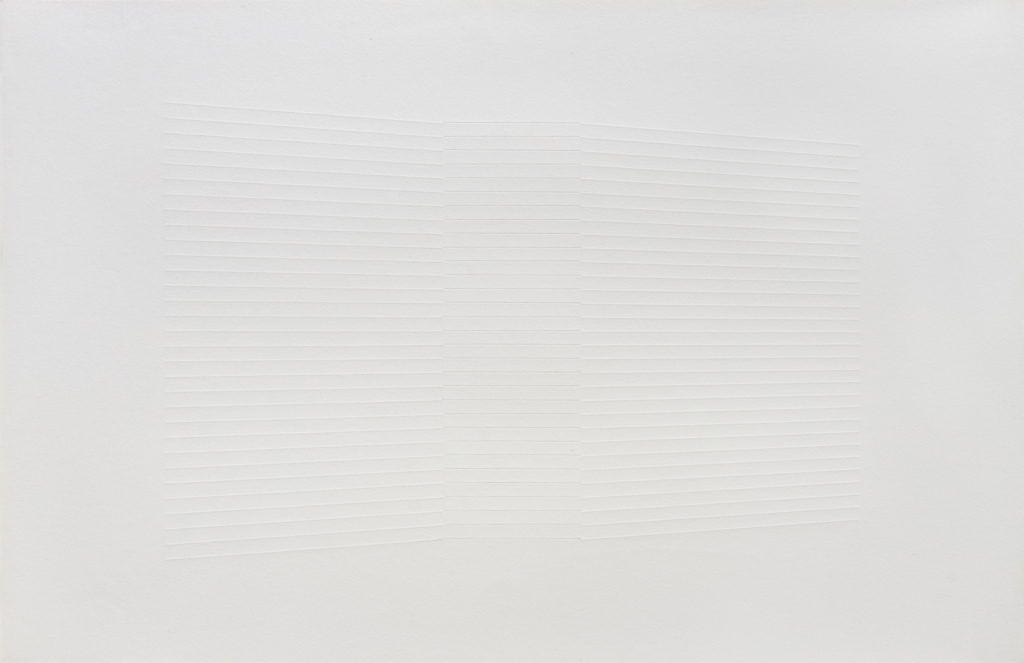
Chiaroscuro #2
2011 I Oil pastel and Etching on Archival Paper
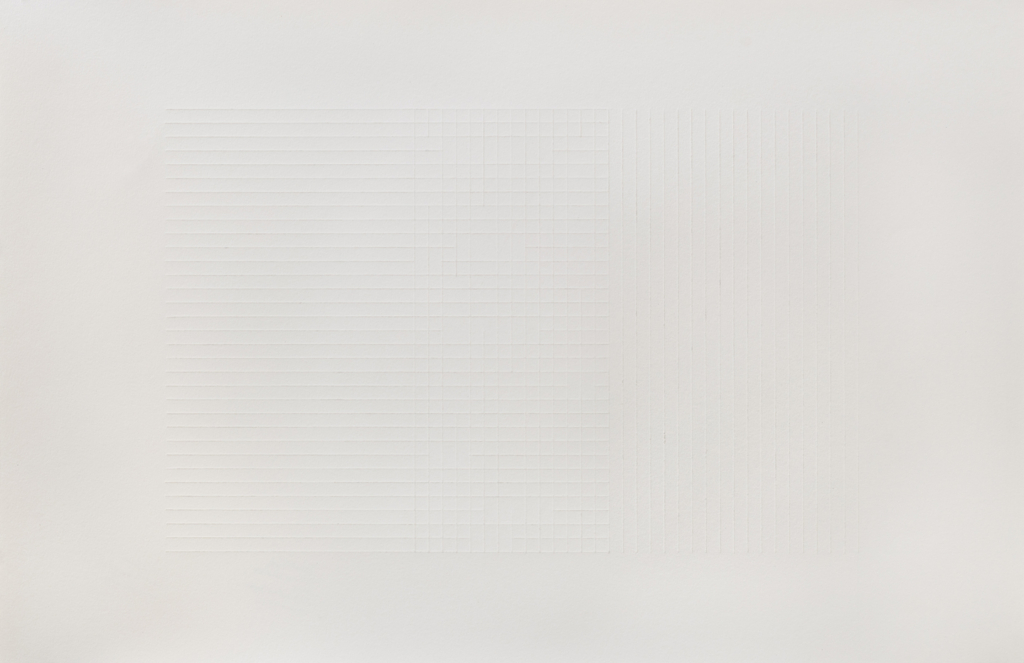
Chiaroscuro #5
2012 I Oil pastel and Etching on Archival Paper
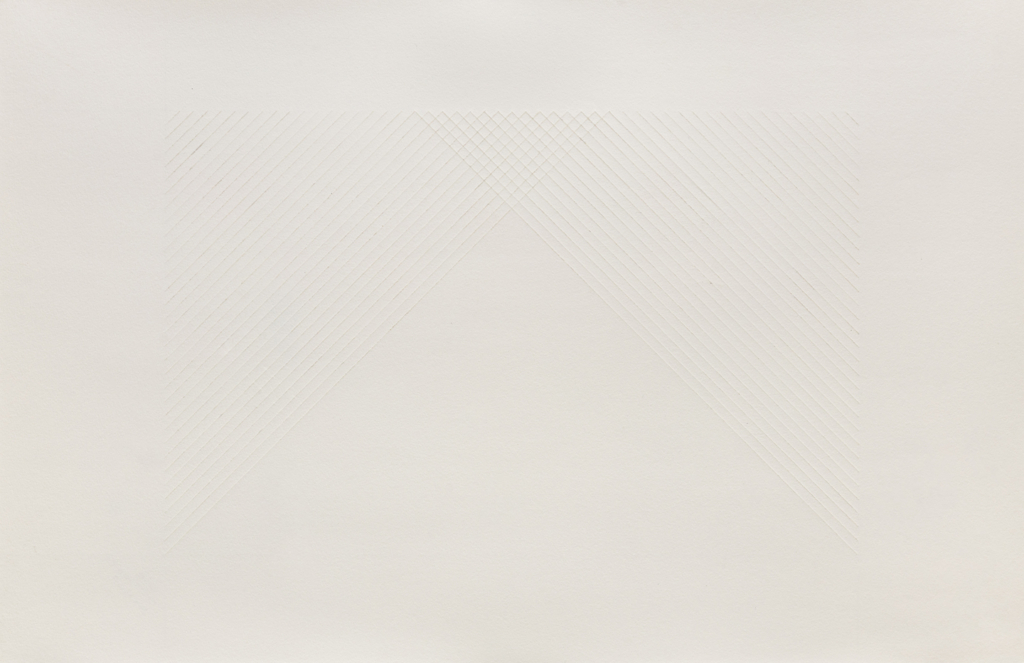
Chiaroscuro #6
2012 I Oil pastel and Etching on Archival Paper
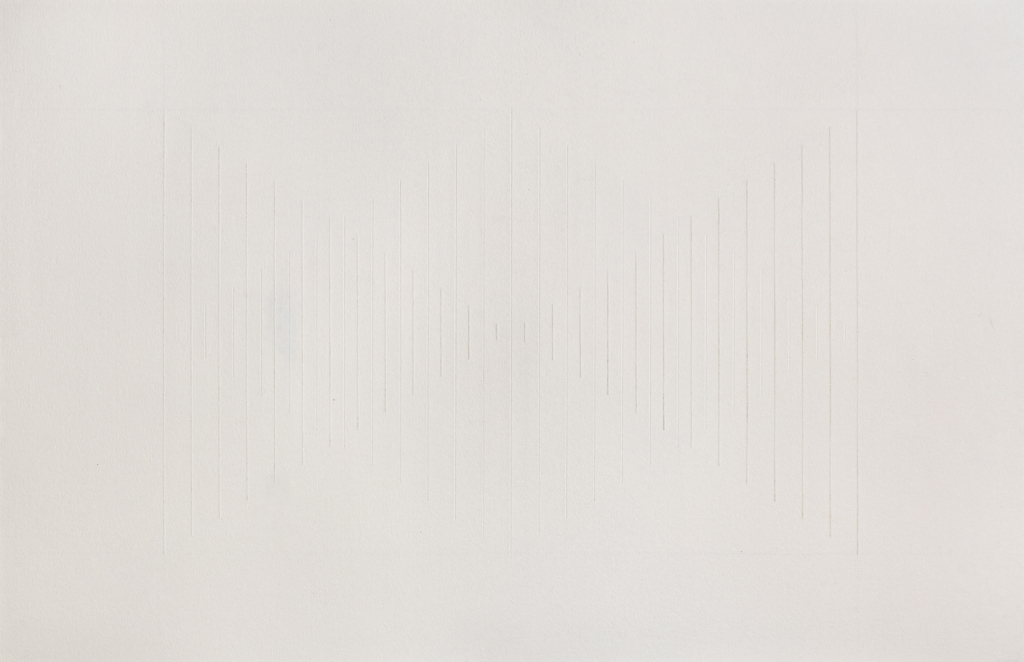
Chiaroscuro #9
2012 I Oil pastel and Etching on Archival Paper
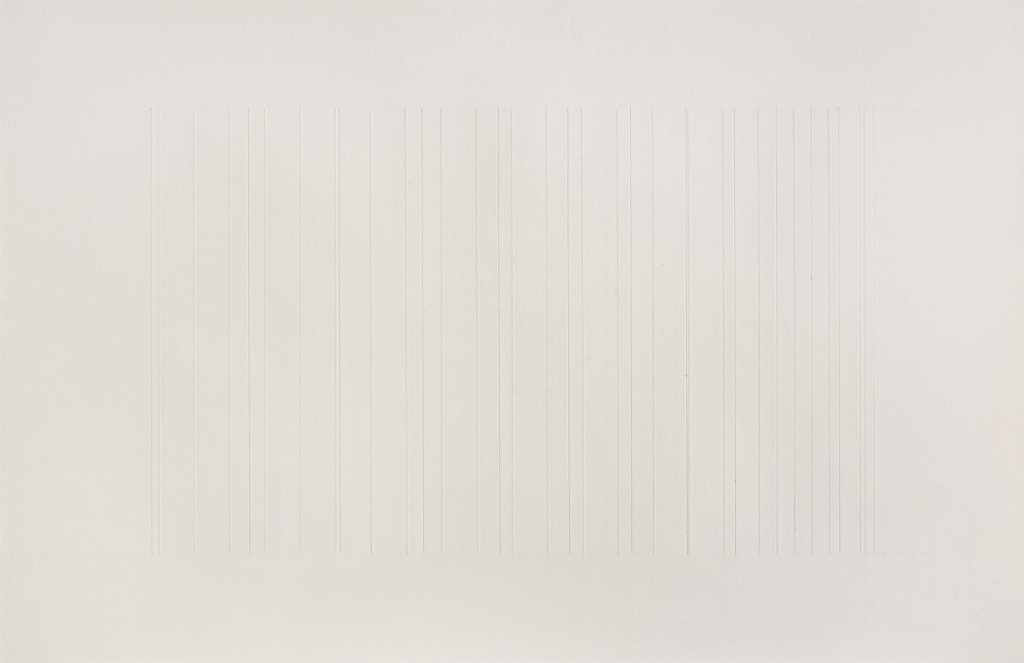
Chiaroscuro #10
2014 I Oil pastel and Etching on Archival Paper
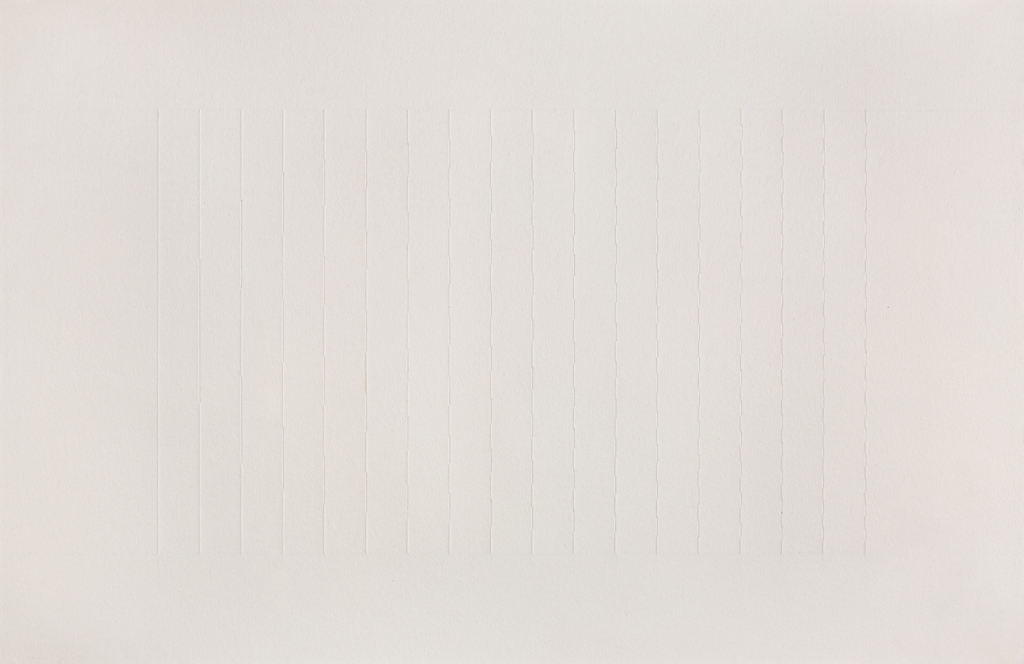
Chiaroscuro #11
2014 I Oil pastel and Etching on Archival Paper
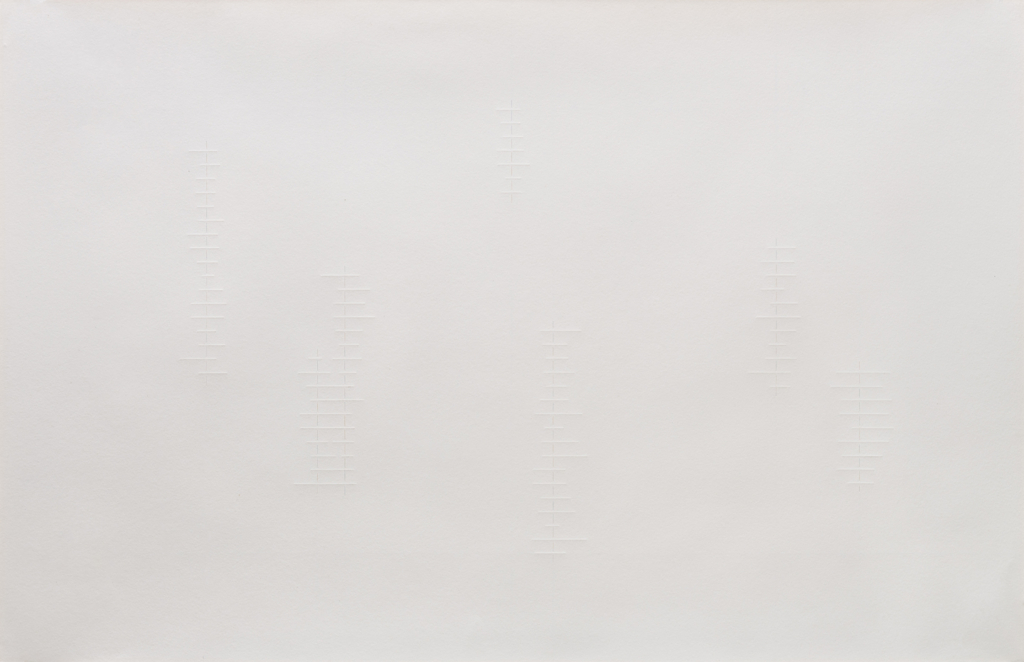
Chiaroscuro #13
2014 I Oil pastel and Etching & Incision on Archival Paper
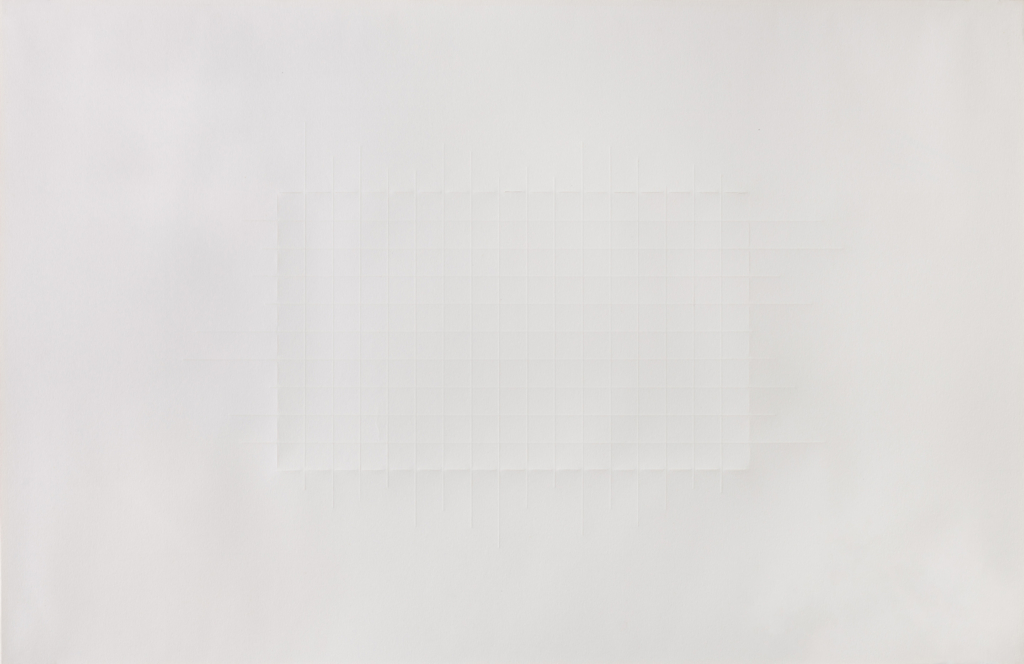
Chiaroscuro #14
2014 I Oil pastel and Etching & Incision on Archival Paper
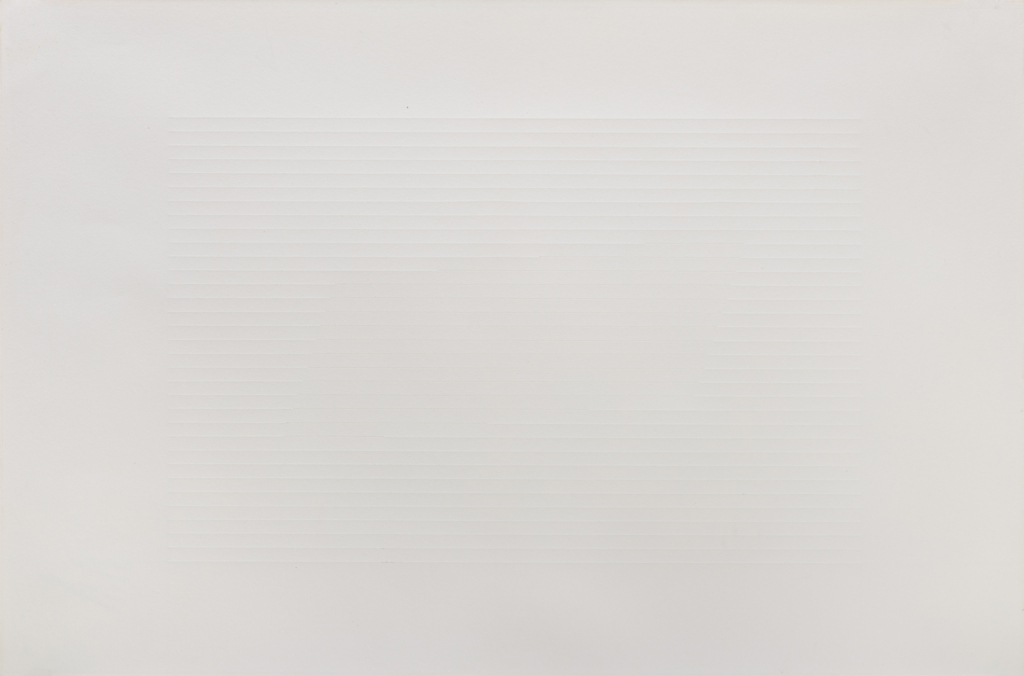
Chiaroscuro #15
2014 I Oil pastel and Etching on Archival Paper
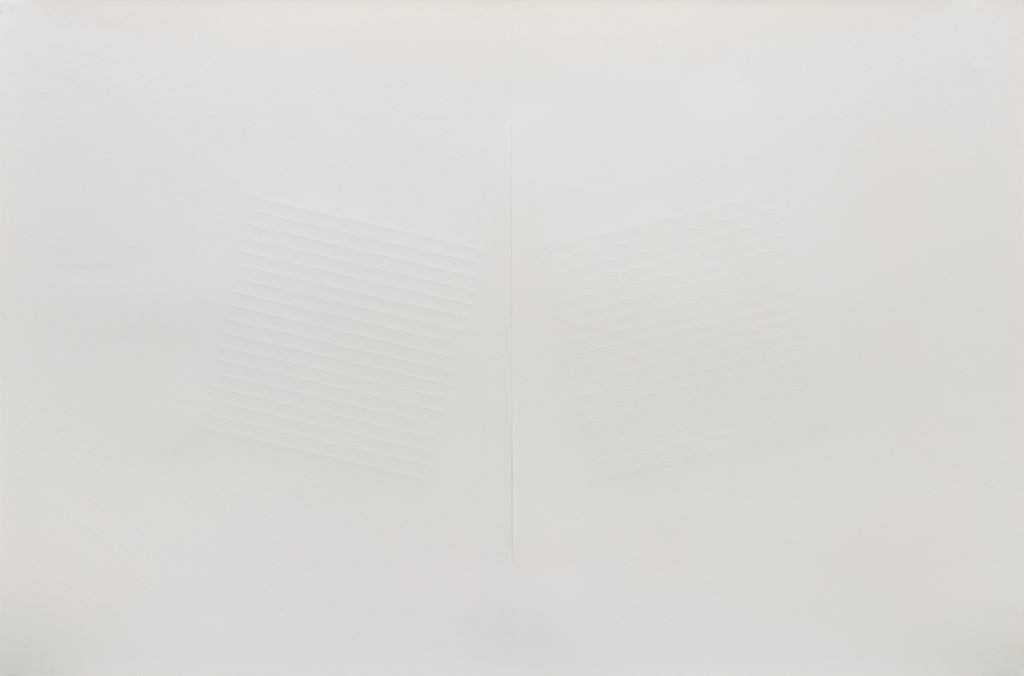
Chiaroscuro #16
2014 I Oil pastel and Etching on Archival Paper
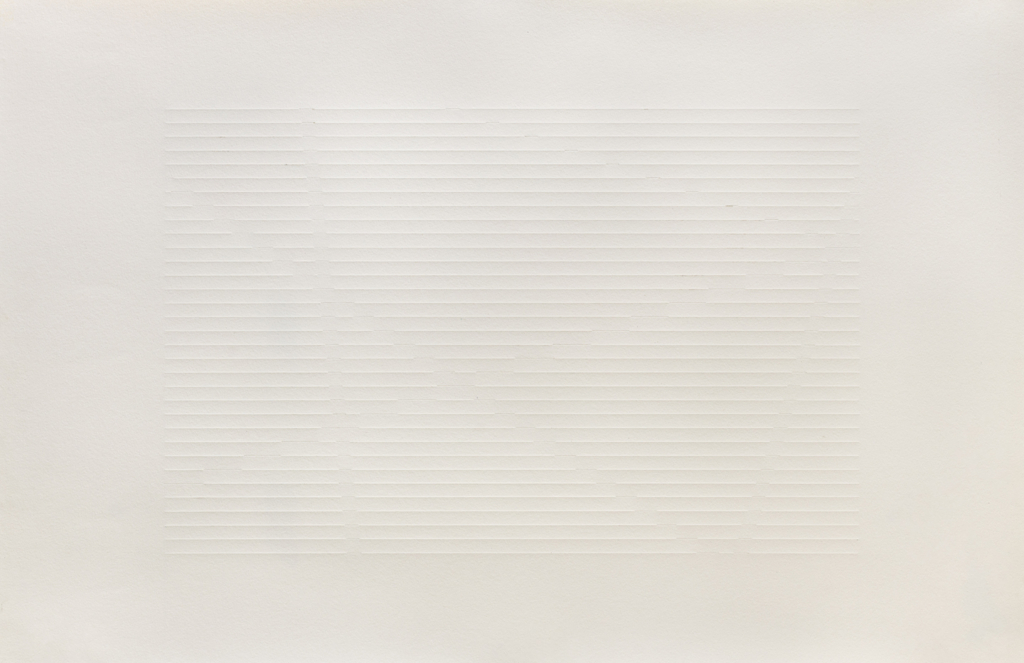
Chiaroscuro #17
2014 I Oil pastel and Etching on Archival Paper
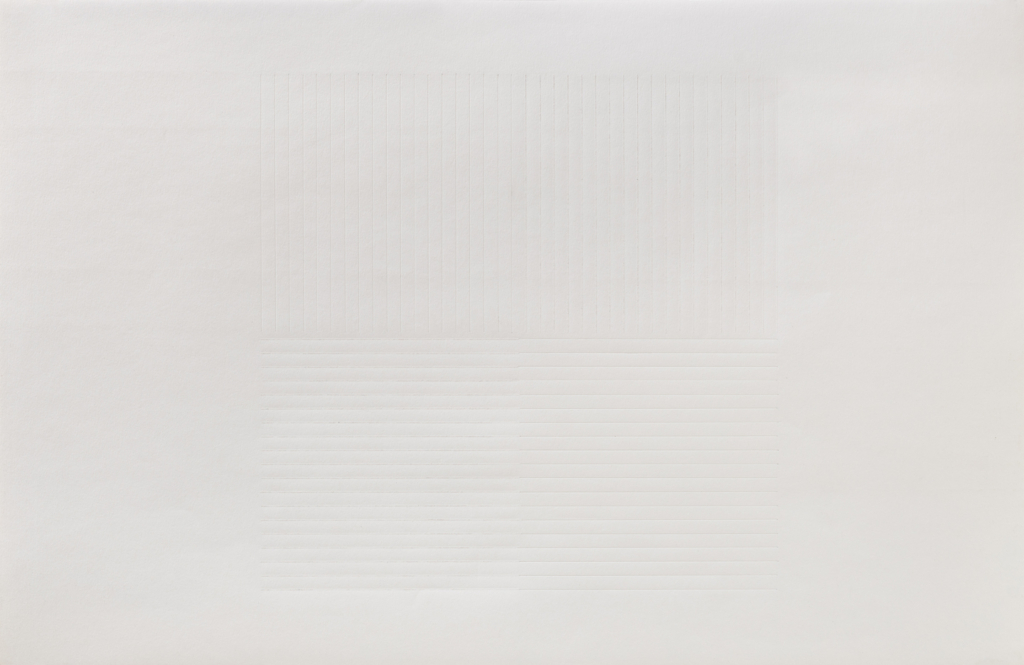
Chiaroscuro #18
2014 I Oil pastel and Etching & Incision on Archival Paper
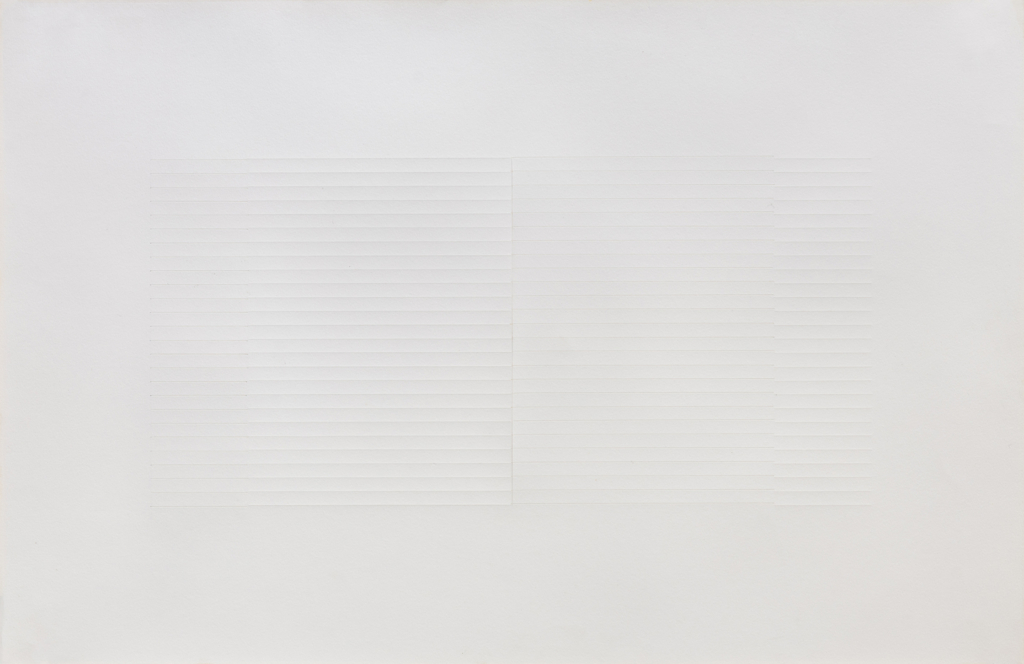
Chiaroscuro EE#3
2011 I Oil pastel and Etching & Incision on Archival Paper
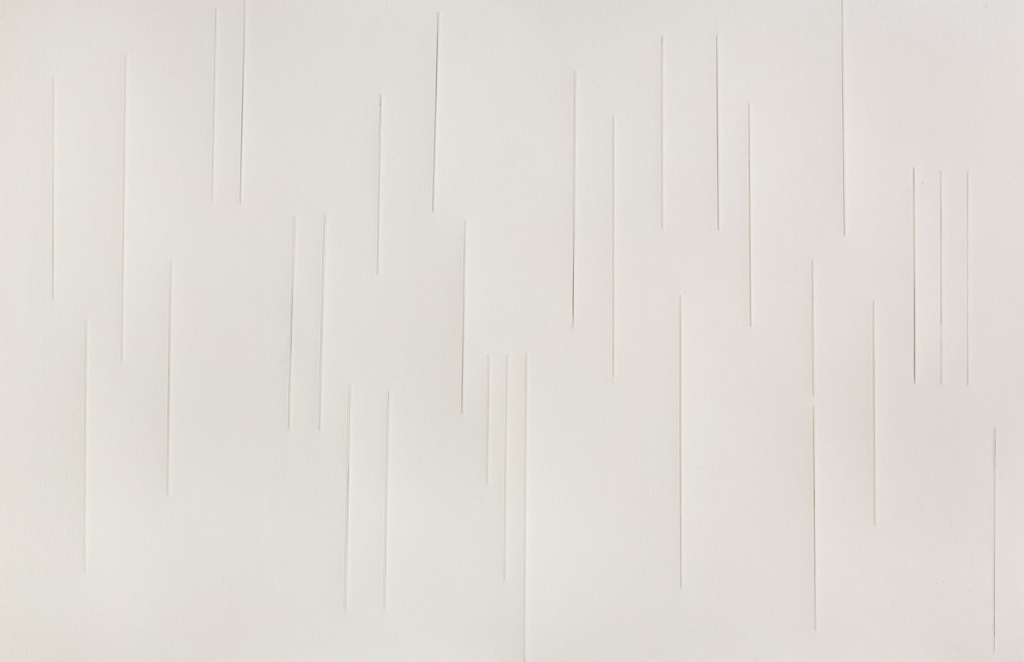
Chiaroscuro EE#5
2011 I Oil pastel and Etching & Incision on Archival Paper
Chiaroscuro
50 X 74 cm
The series investigates space as something experienced rather than fixed. Subtle variations in forms create moments where perception continuously shifts and recalibrates. It was a direct response to the initial interaction with built environments and acted as a documentation of spatial experience in architectural spaces. The drawings invite slow looking, revealing movement within seemingly static forms.
The drawings employ the use of white oil pastels, etching and incision for mark making on paper, materials and methods whose physical properties makes the work deliberately elusive. Light and space functions as integral elements within the work, as the marks do not reveal themselves uniformly. Their visibility depends upon the way light falls across the surface. Etched lines and traces of white pastel alternately emerge, recede, and dissolve, producing a shifting relationship between what is seen and what remains concealed. Light therefore becomes more than a means of illuminating the drawings within the space, as it becomes an active condition of its visibility. The work consequently occupies an uncertain state between presence and absence, making the act of looking dependent upon the changing relationship between light, space, and viewer.