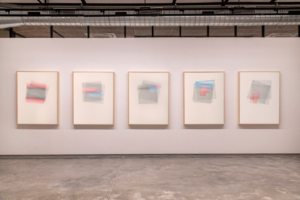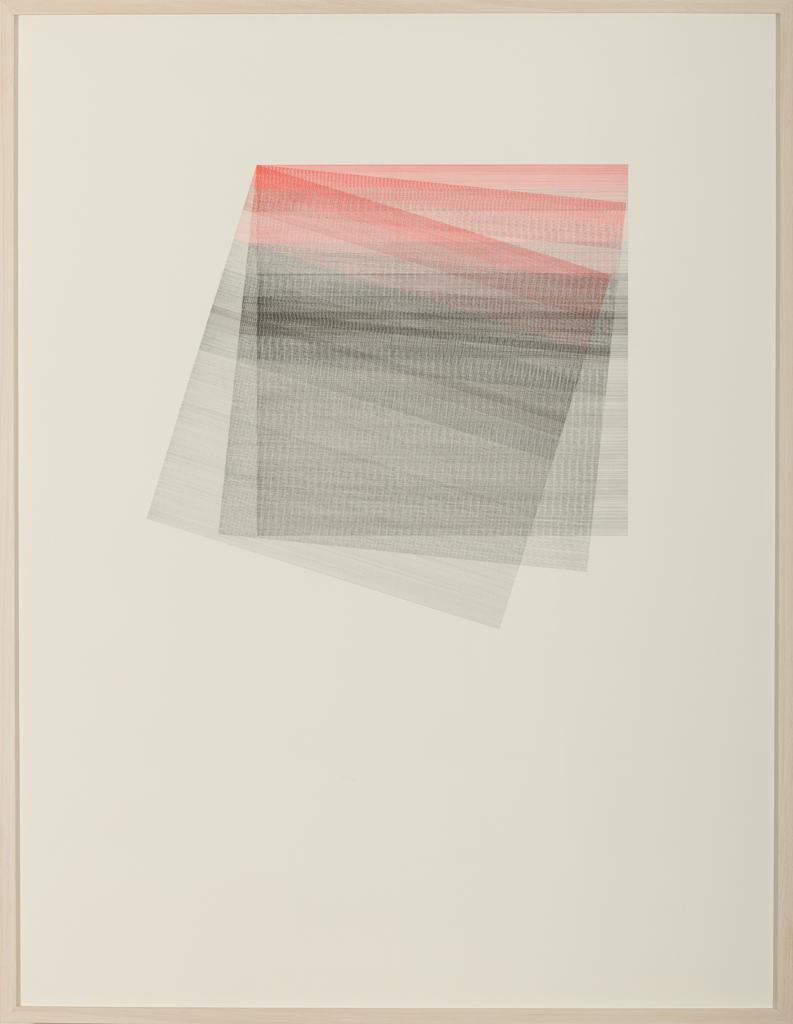
Notes on Movement #90
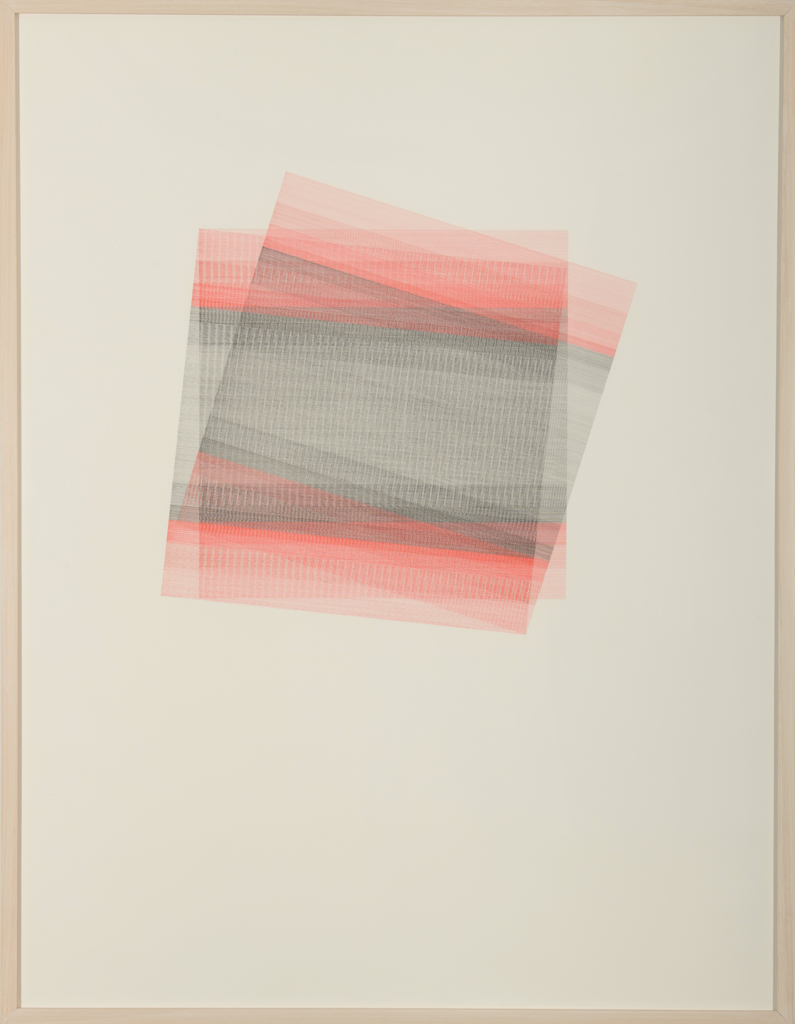
Notes on Movement #91
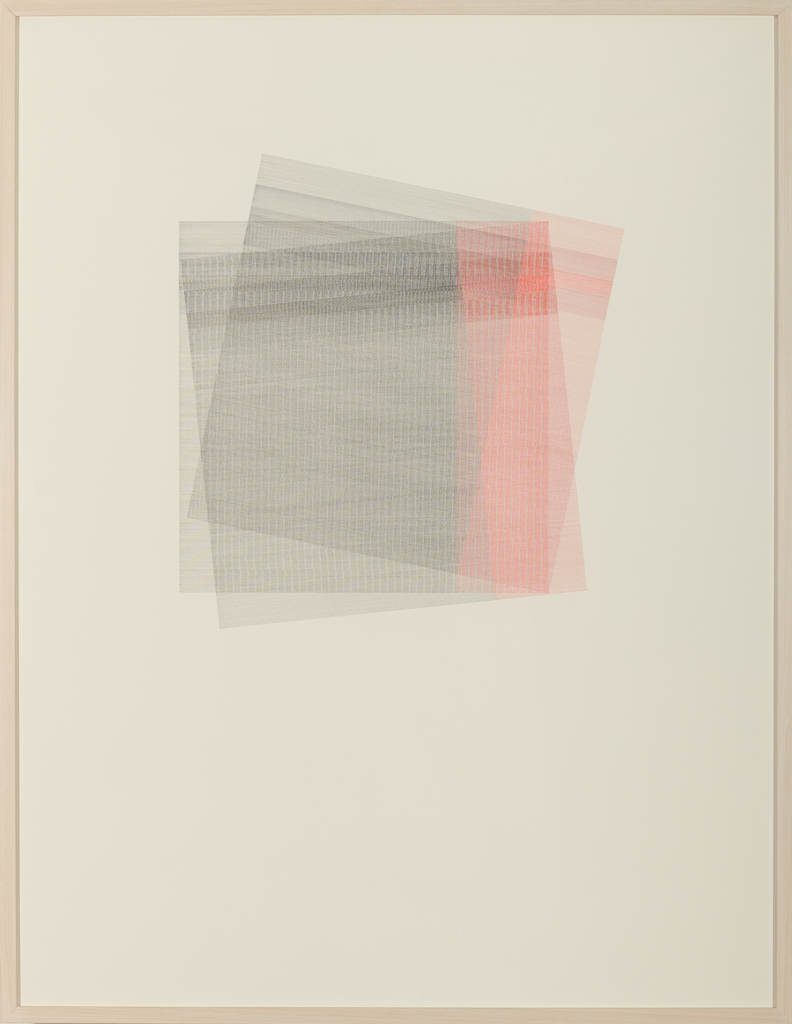
Notes on Movement #92
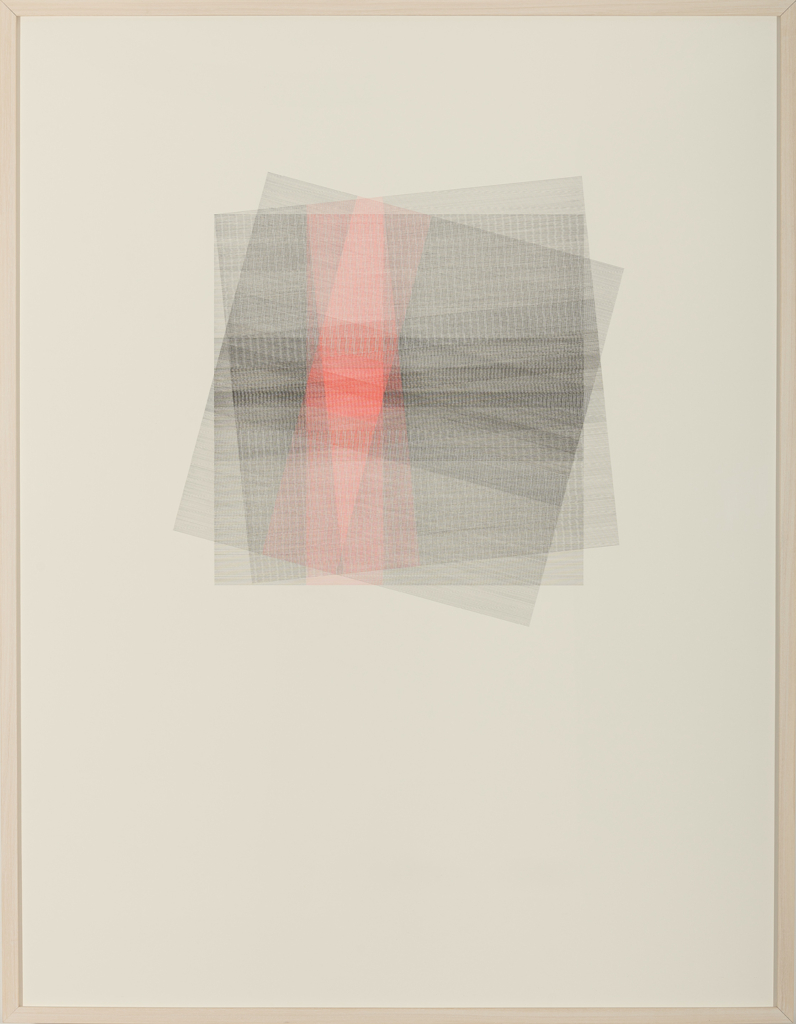
Notes on Movement #93
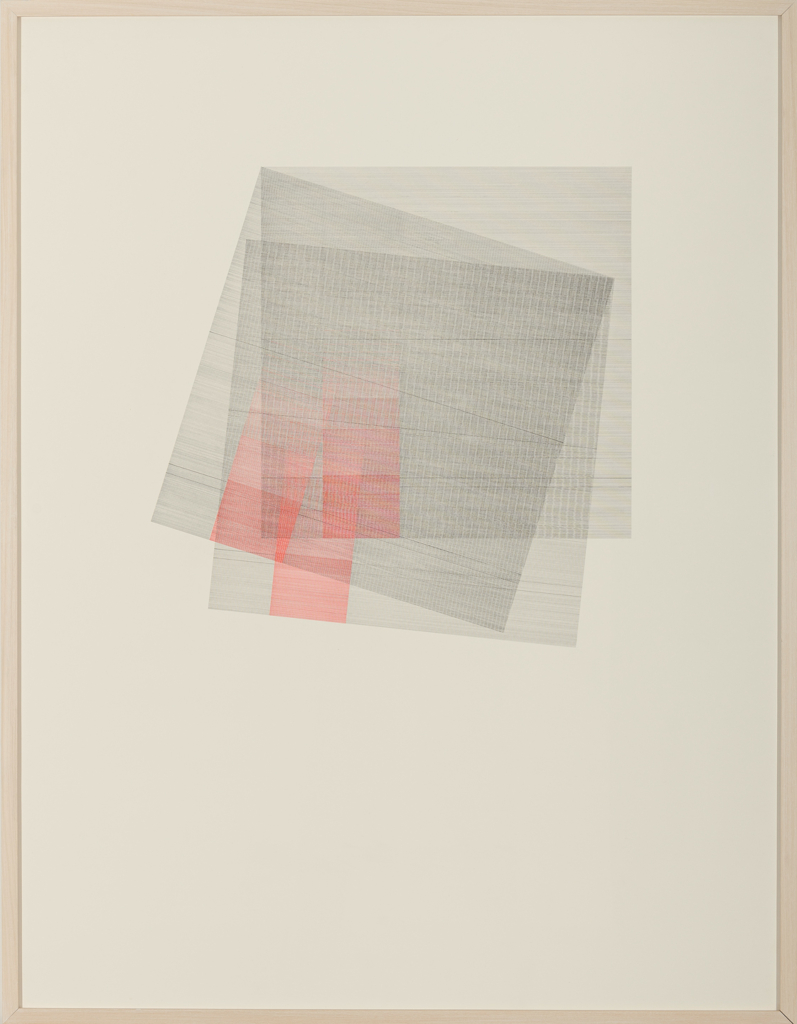
Notes on Movement #94
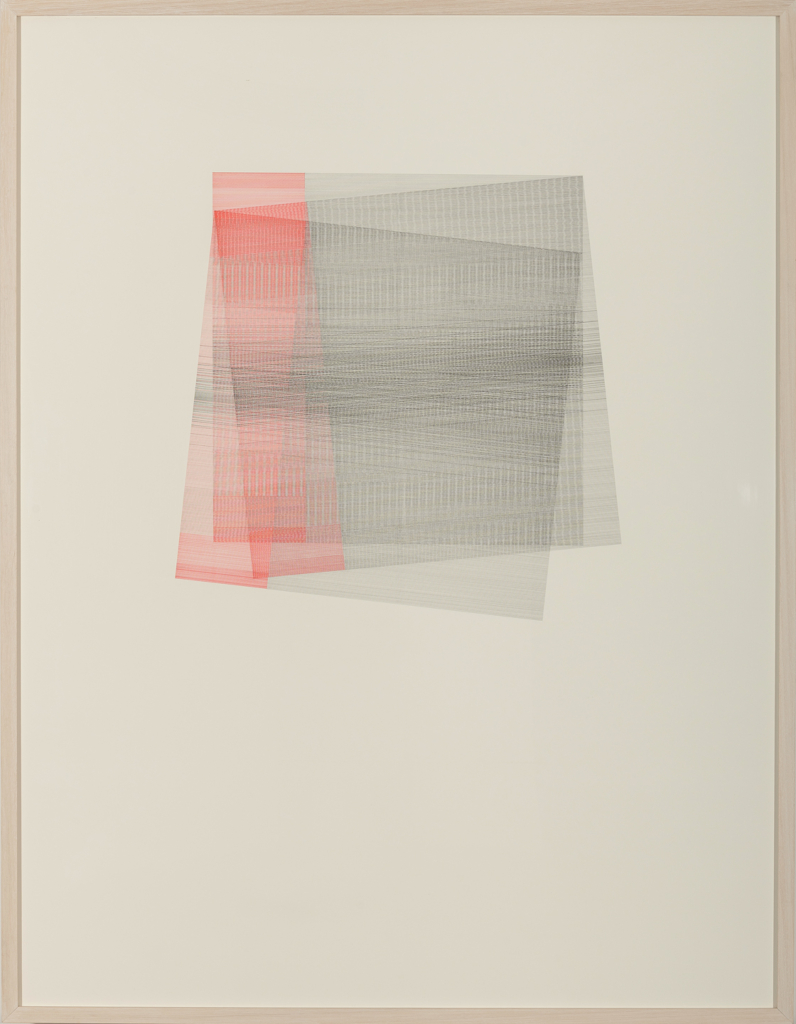
Notes on Movement #95
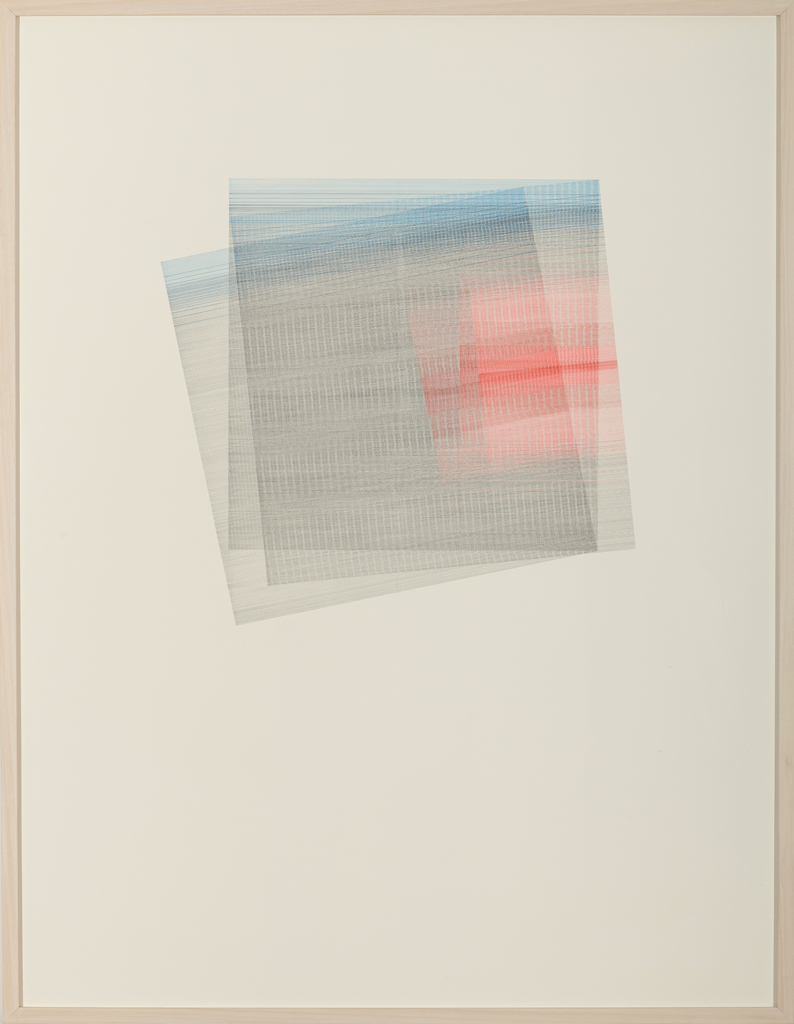
Notes on Movement #96
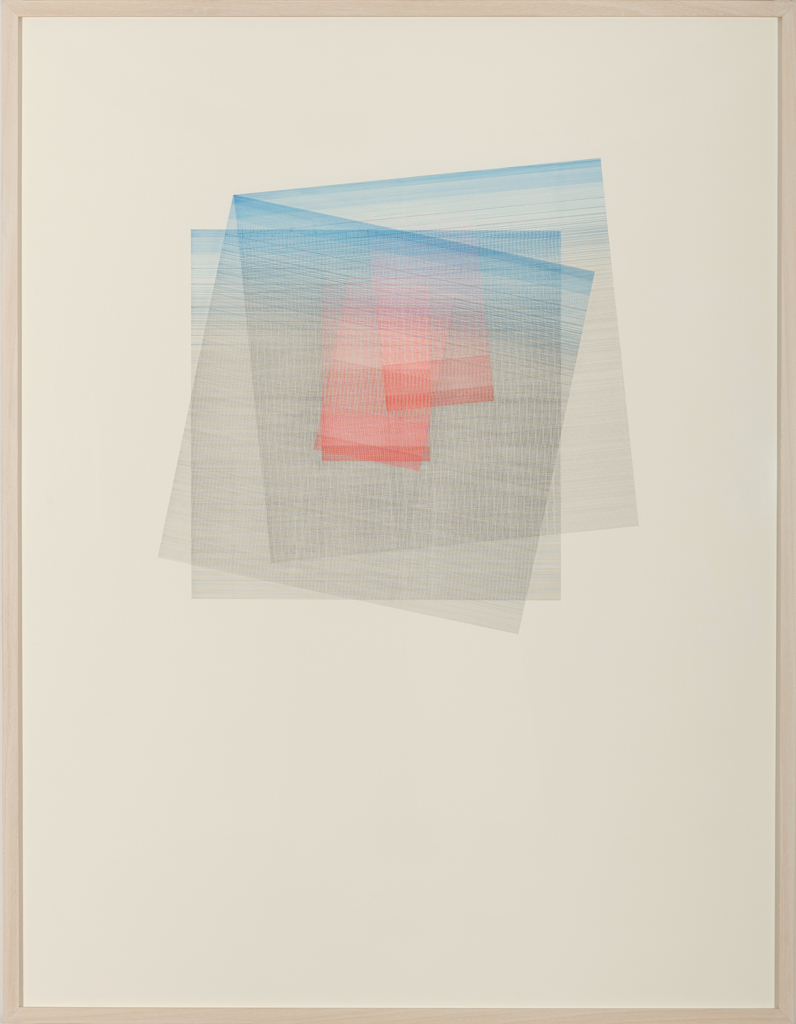
Notes on Movement #97
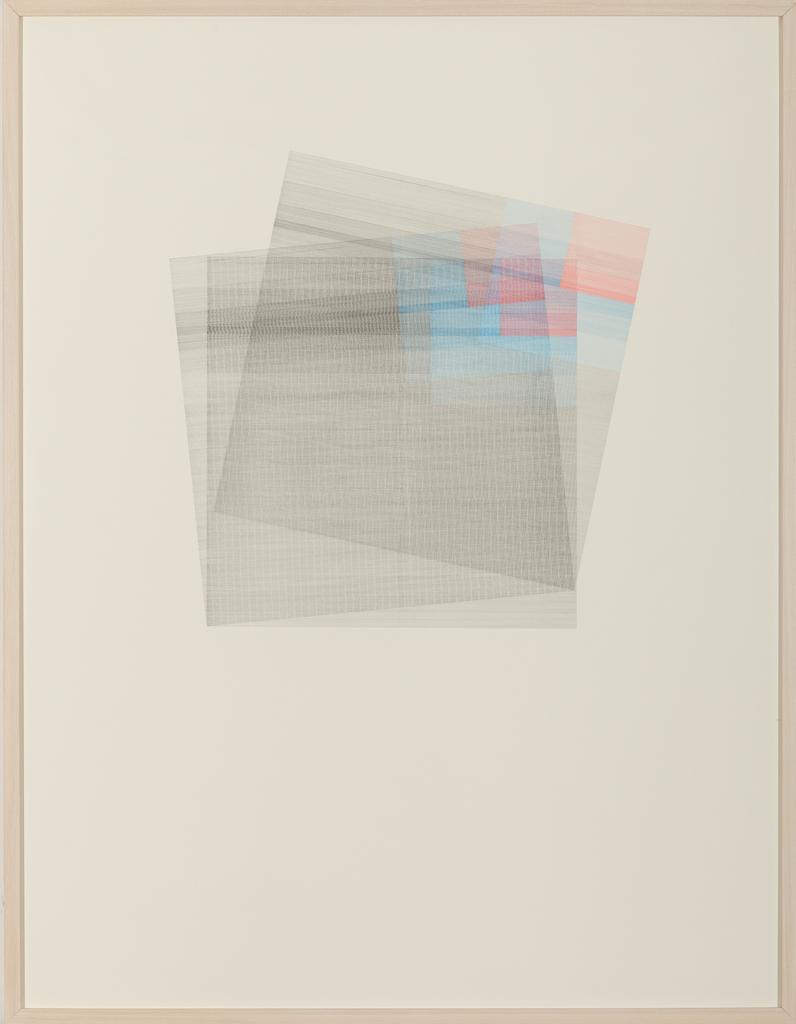
Notes on Movement #98
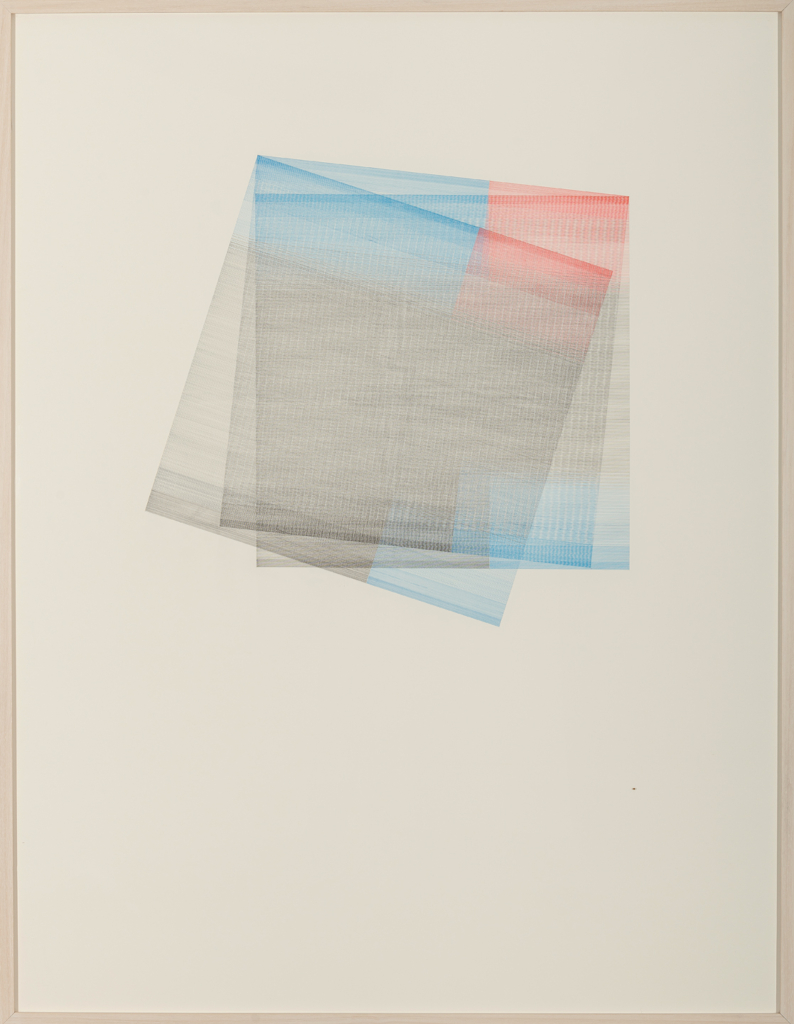
Notes on Movement #99
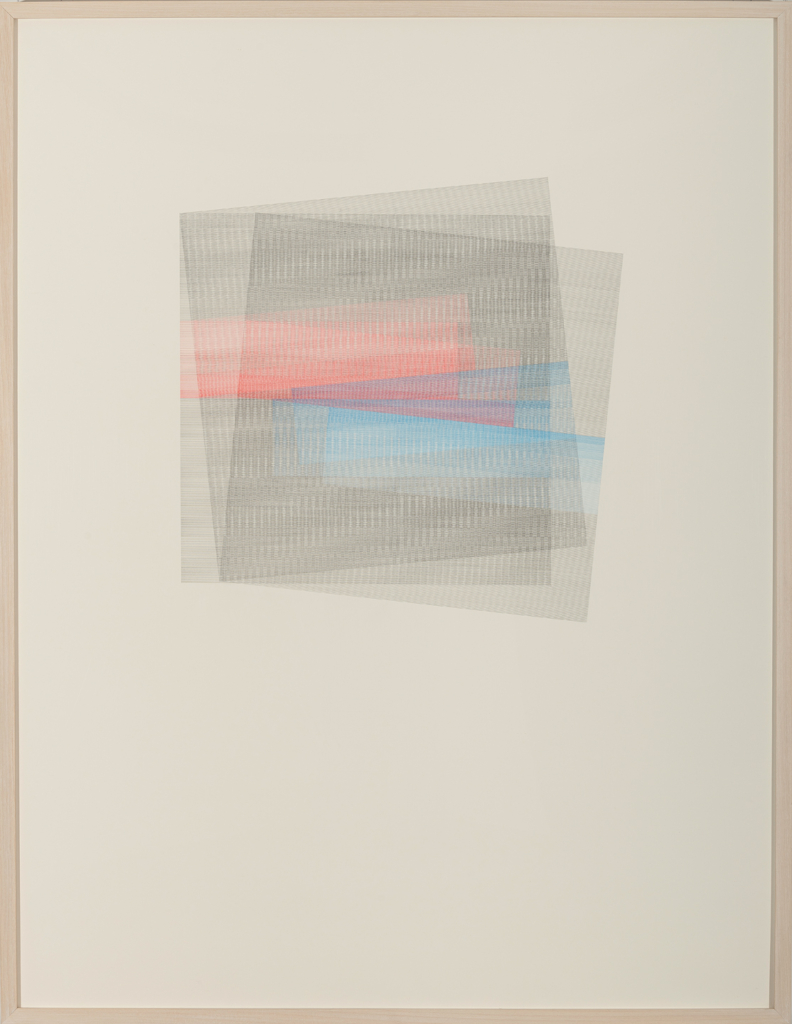
Notes on Movement #100
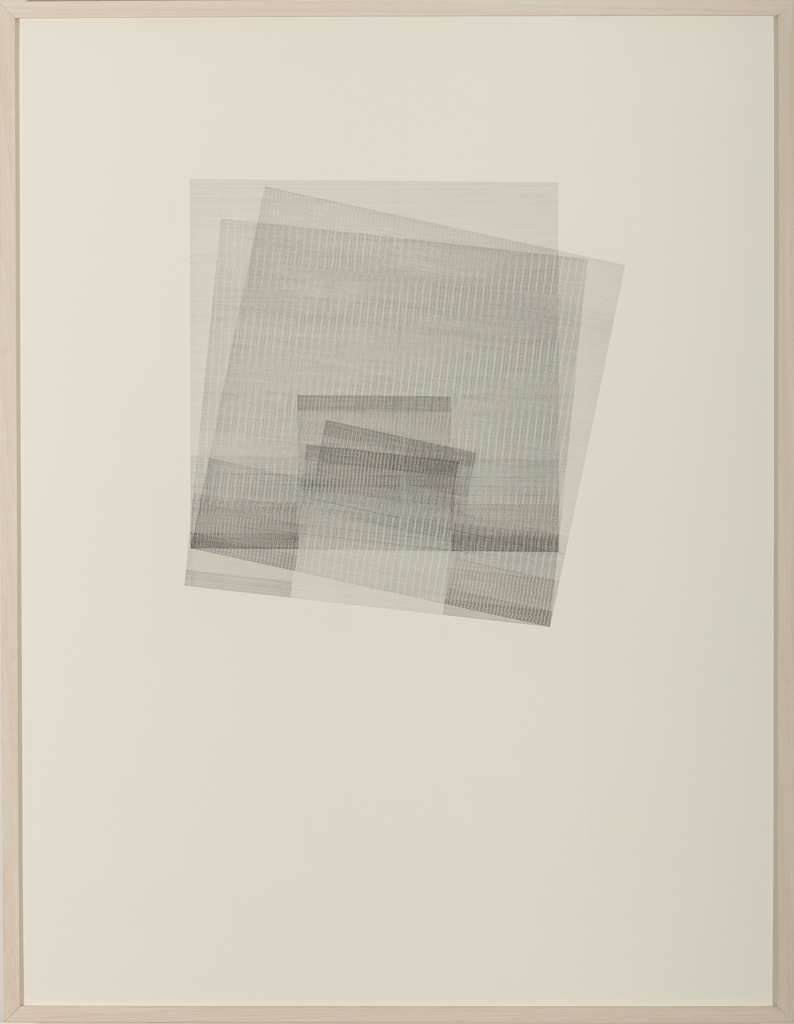
Notes on Movement #101
Notes on Movement: Layer 3
2020
100 X 130 cm
Ink on Archival Paper
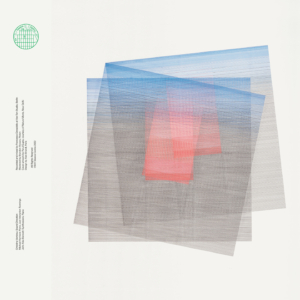
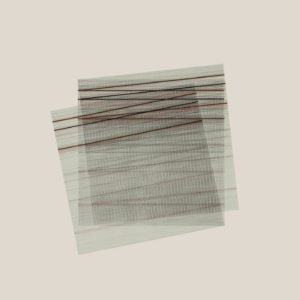
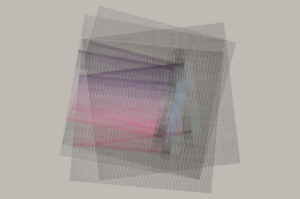
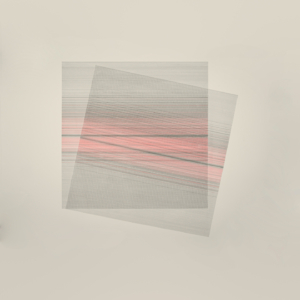
The work is from the series Notes on Movement that continues my exploration of movement, parallax, perception and architectural memory. Here, each drawing captures the residue of movement rather than the certainty of form. These works translate the experience of moving through architecture into layered, translucent drawings. They invite the eye to slow down and inhabit the subtle shifts between presence and absence.
The layers within the visual compositions emerge from an accumulation of repeated line drawings with ink on paper. The unique process here becomes significant to the work, as its deliberately slow and meditative pace allows mark making to unfold through sustained, rhythmic attention. Rather than flat, opaque fields of pigment, the work is constructed entirely through numerous individual lines. These lines retain a certain translucent quality, allowing one layer to remain partially visible through the next. As these lines collide, overlap and shift against one another, they collectively generate the Moiré Pattern. Whereas the optical effect is commonly associated with the interference of digital pixels or overlapping patterns on a screen, here a comparable optical phenomenon emerges physically on paper. Although the effect was never consciously intended, it unexpectedly emerged as a consequential byproduct of the process. The effort required to produce such optical interference manually through hand-drawn lines also becomes embedded within the work, linking its perceptual complexity to the physical process of its making.
An important dimension of the process lies in the agency of the first layer, as it carries a decisive role in determining the eventual appearance of the composition. It acts as a certain kind of programme which repeats itself in every successive layer. Its making, thereby, also demands a heightened degree of attention and conscious decision making. Once established, the composition begins to develop through repetition of the same programme, with each subsequent layer being shifted incrementally through change in angles. It is through these subtle shifts and displacements that the moiré effect gradually emerges, becoming perceptible through the viewer’s engagement with the work.
Image Courtesy: Nature Morte