Drawing Lab is a series of collaborative works which explore the idea of a drawing leaving its original form and becoming something else- capable of being transformed into different forms and translated across media formats. It was initiated during the Making Space project at 1After320 in 2016.
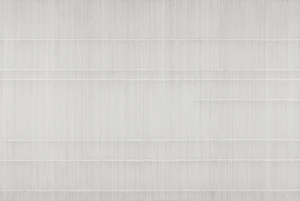
It was a 26 foot long horizontal drawing on paper created in 2013 that served as an entry point into this ongoing project. Rather than sharing the original drawing itself with collaborators, it was translated in 2016 into a coded system of basic numerical instructions, which have since been shared with and engaged by practitioners from diverse fields. The instructions invite them to interpret and reconstruct the work through their own material language and methodologies, thereby molding the drawing into an open system capable of continual transformation.
Link to the drawing that was recomposed as set of instruction: https://parulguptastudio.com/work/linear-drawing-2/
Link to the project Making Space https://parulguptastudio.com/work/project-making-space/
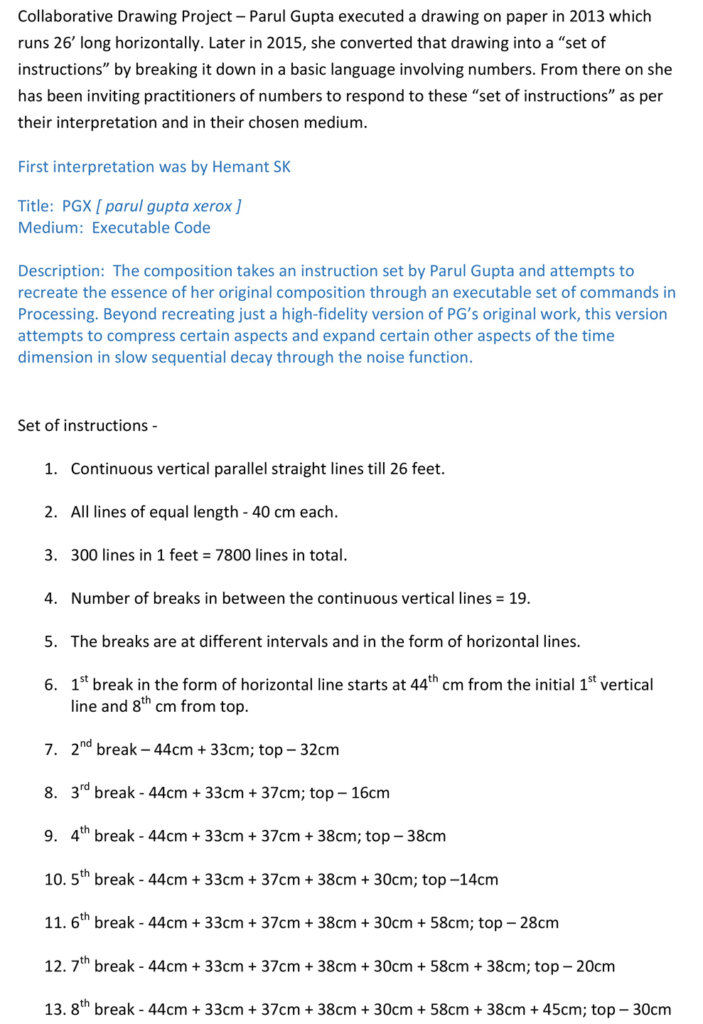
Set of Instructions
PGX
The foremost collaborative engagement as part of the Drawing Lab project was realised with Hemant SK, who interpreted the given instructions as an executable digital code using the Processing programming language and processing software. Titled PGX (Parul Gupta Xerox), the work was encoded into a looped digital video format, generating a continuously evolving visual composition.
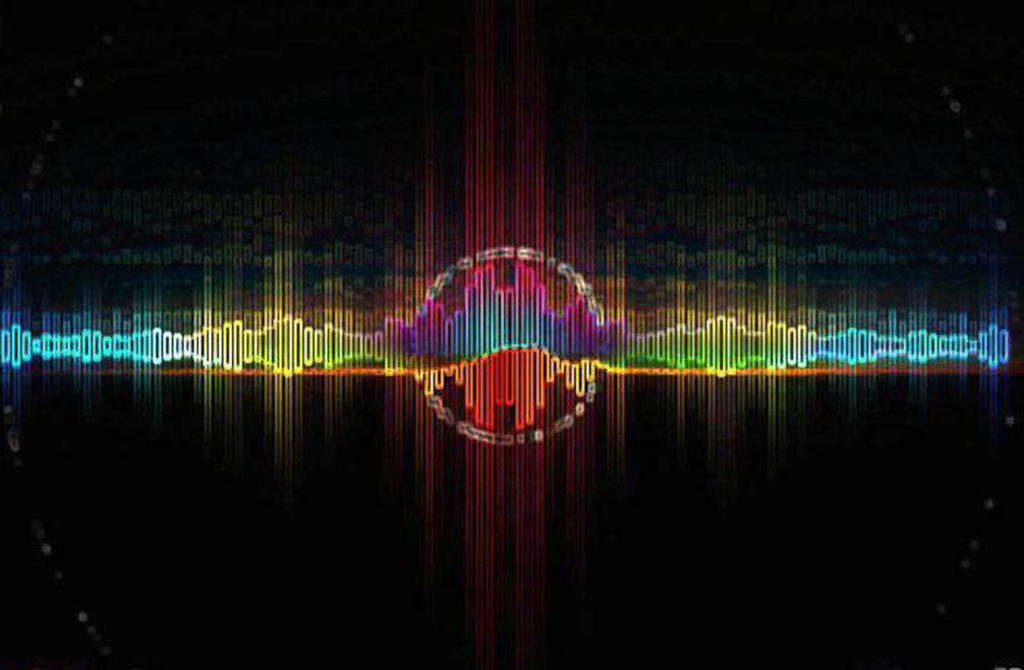
Music in Line
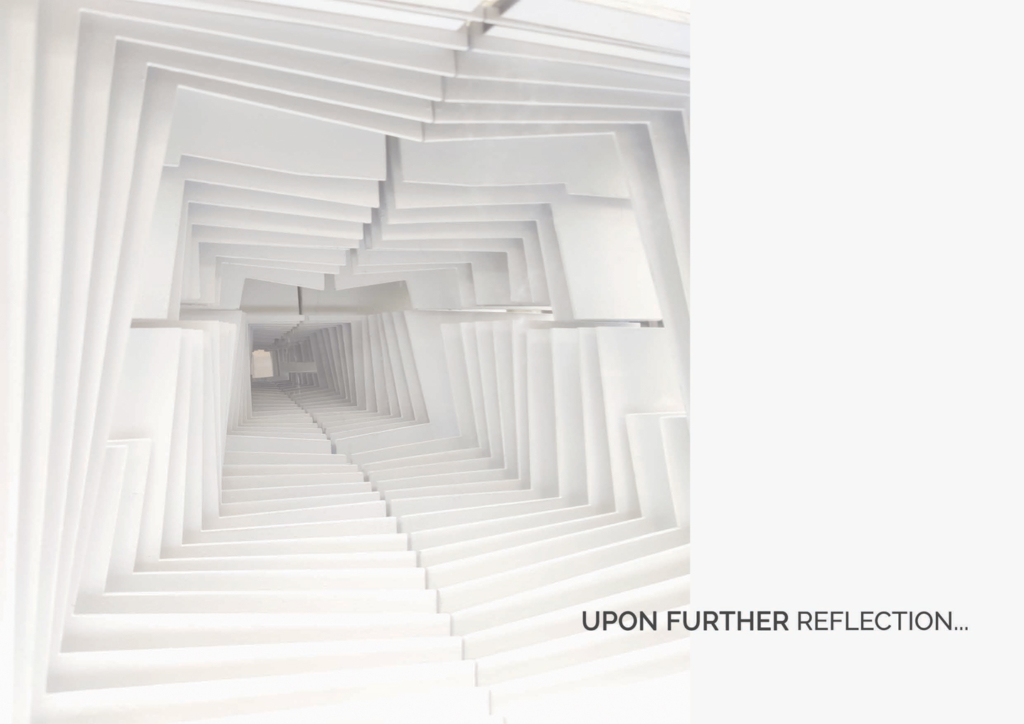
Upon Further Reflection
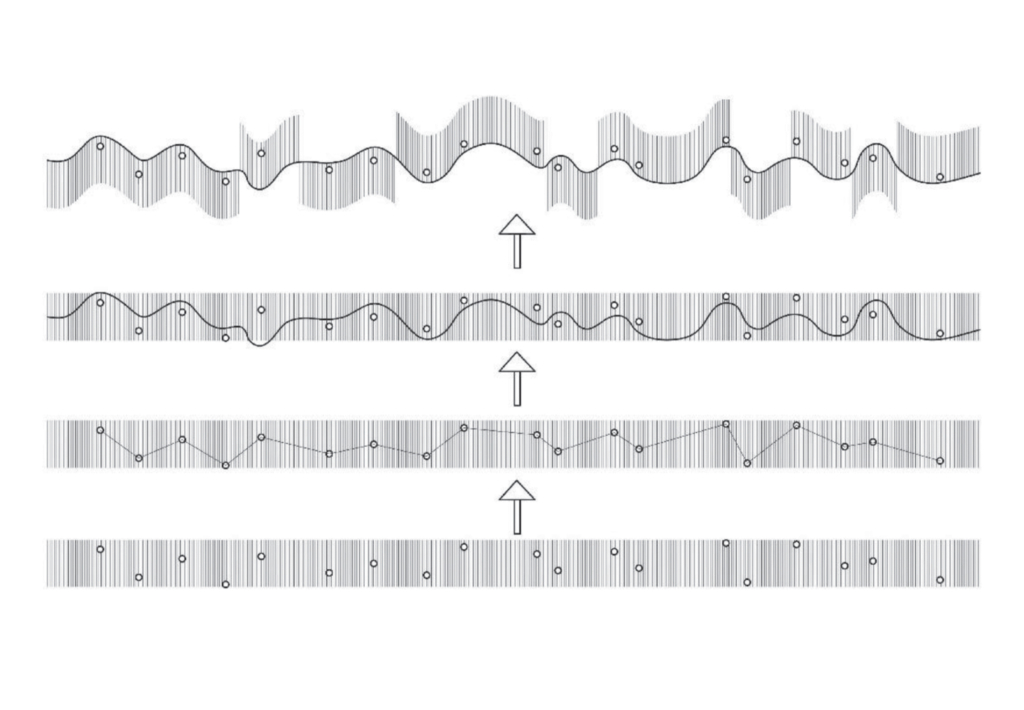
Leave your Mark
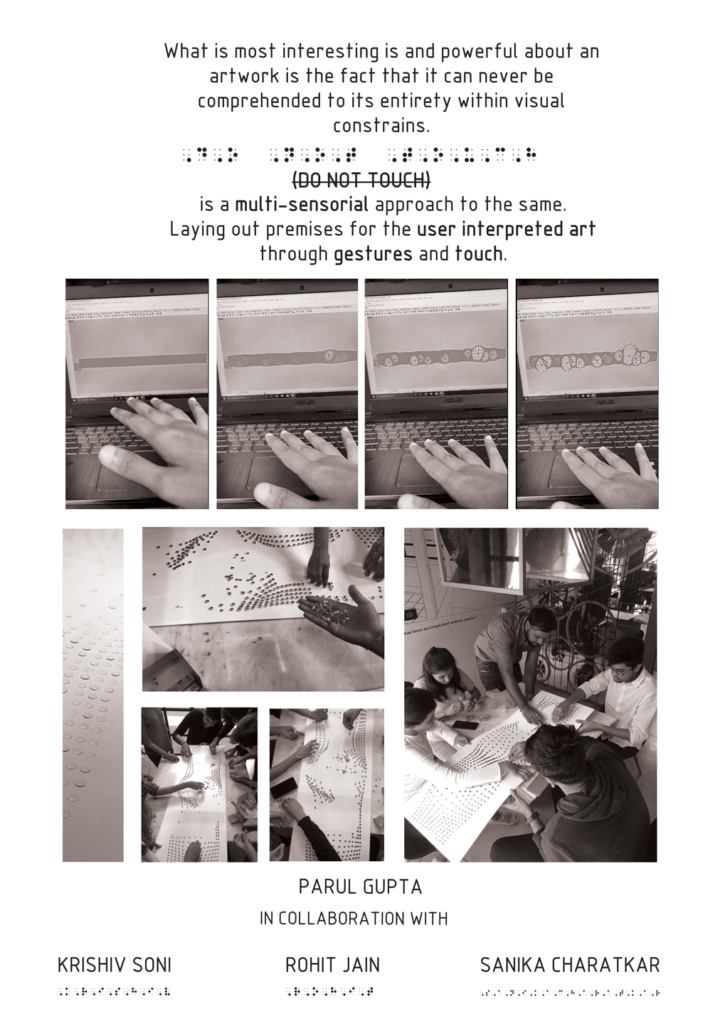
Don't Touch
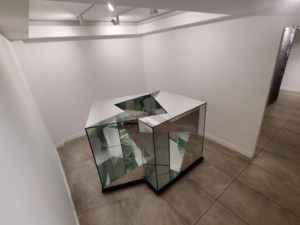
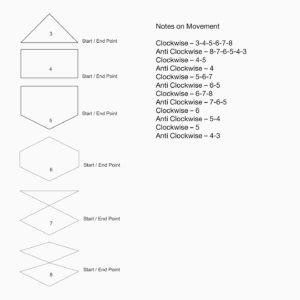
As a further continuation of my Drawing Lab series, subsequent engagements were done through a collaboration with the architects and professionals present at RED Studio in 2020. As a part of project Space; Underscore, it included four collaborative works that were proposed to expand upon the possibilities of other creative forms derived from a set of instructions. And where the collaborators were rearranged into different groups and utilised the given set of instructions to interact and further engage with.
The collaborative process unfolded through four distinct interpretations, each translating the same underlying set of instructions into a different medium, sensory experience, and spatial language. The collaborative projects resulted into a wide range of multi-sensorial and experiential works, namely, Do Not Touch, Leave Your Mark, Music in Line, and Upon Further Reflection.
Together, these collaborations go on to show how a simple drawing can move beyond its original material and transform into so many forms, codes and visual structures. Drawing Lab, the larger project, thereby proposes drawing not as a finished object, but as a transferable language that can migrate across media, accumulate new meanings, and continually acquire new forms through collaboration and interpretation.