Site Specific: Drawing in Space I Let’s Proceed in Parts I Instituto Cervantes, Delhi
Presented by Exhibit 320
2016
Needles, Thread, Nails, Glue, Lights and Kinetic Mechanism
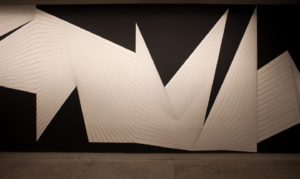
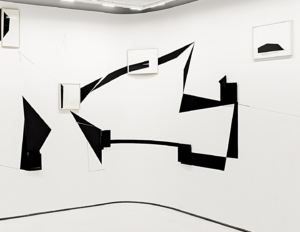
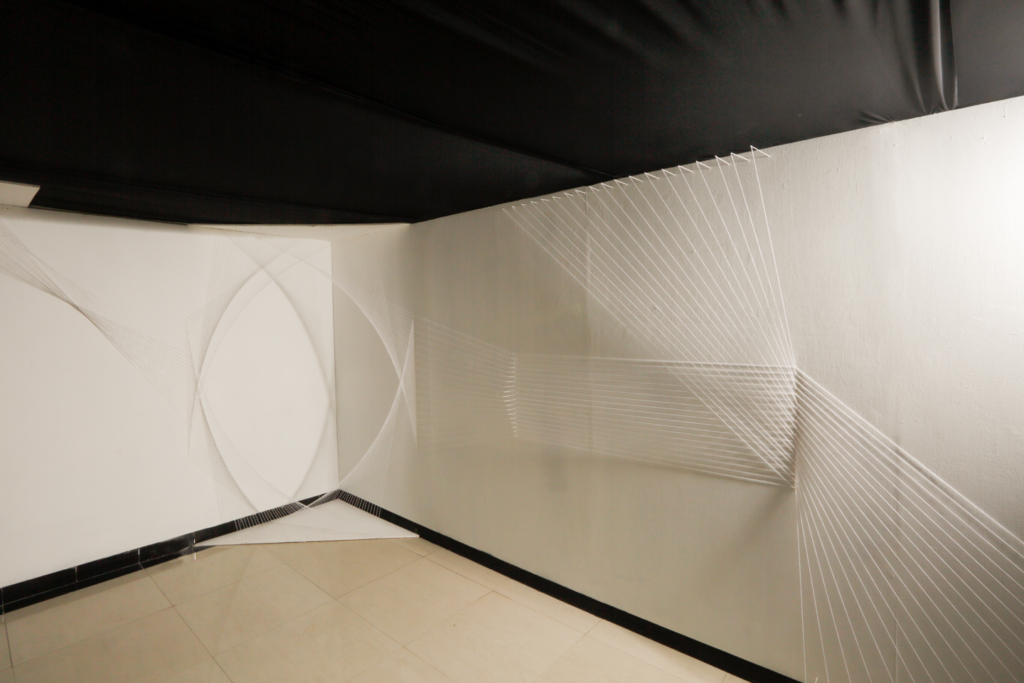
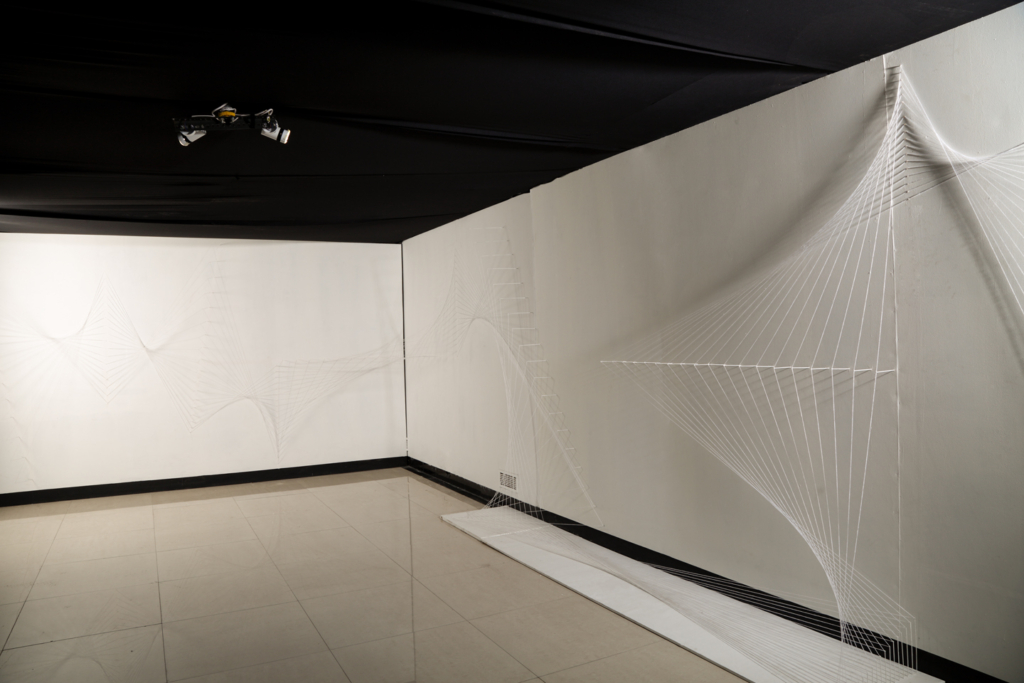
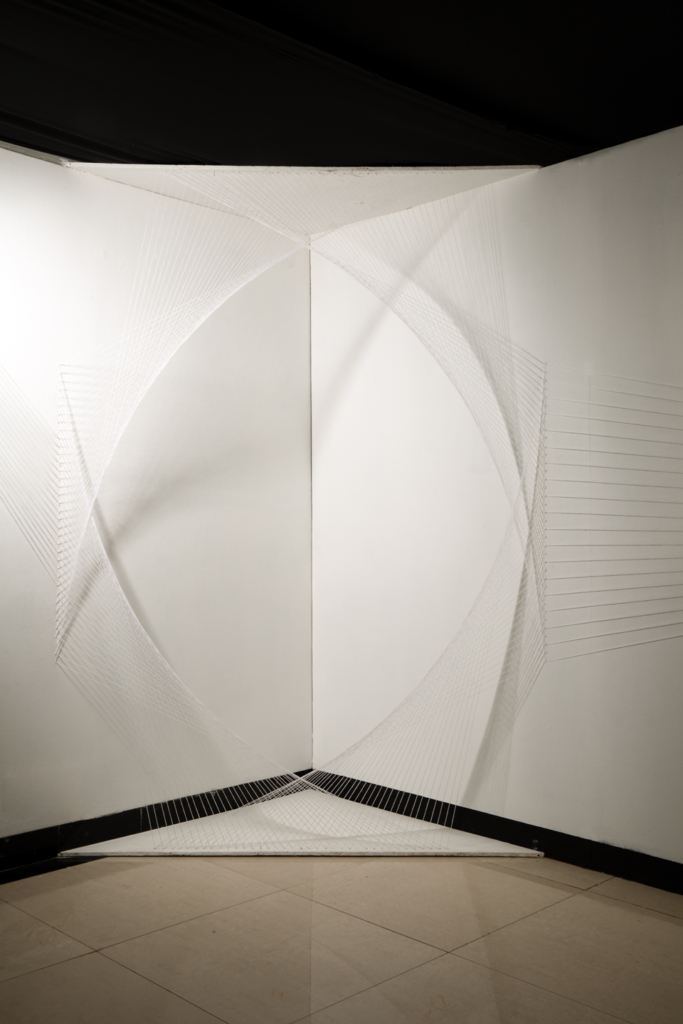
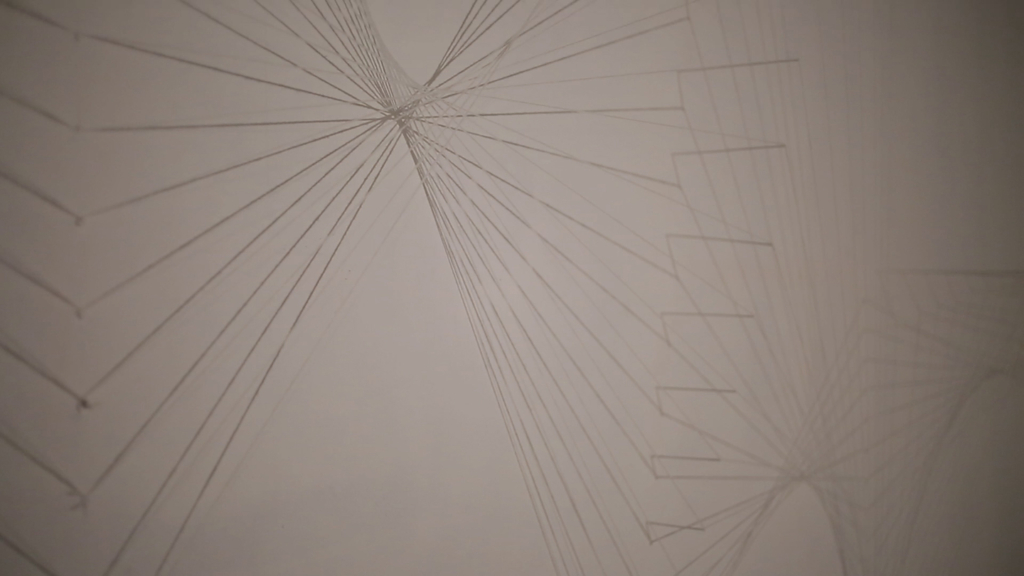
Drawing in Space is an ongoing site-specific drawing project based on the spatial narrative of the site, focusing on the question of perception through lines and forms in the built environment, thereby transforming architecture into an active participant. Composed of thread-based spatial drawings, the work generates shifting geometries that evolve with the viewer’s movement, turning observation into embodied interaction. Guided by self-devised systems of arithmetic, codes, and structured instructions that provide the interventions with an underlying framework for the spatial compositions. The series of works aims to integrate geometry, line, material, and light to construct a visual language that gives form to the rhythms and relationships already present within a site.
The origins of Drawing in Space can be traced to 2011, when the idea first emerged during my MA Degree Show at Nottingham Trent University, UK. The experience of watching viewers repeatedly move towards and away from a site-specific drawing within the exhibition space prompted a fundamental question in me: What if the viewer could move into the drawing itself, as though entering a labyrinth? The very question became the conceptual foundation towards developing these works of linear drawing as a three-dimensional and spatial practice.
Since then, multiple iterations of Drawing in Space have been developed across varied architectural contexts over time, each extending the central investigation of mark-making within three-dimensional space. The work approaches drawing as a site-conditioned intervention, where a negotiation between the architecture, material conditions, geometry, light, and dynamics of each location actively determines the form the drawing eventually takes. Rather than forcing drawing onto a surface, it is the conditions of the site that suggest drawings and spatial interventions. Each site presents a unique set of constraints and challenges, and it is often the complexity or difficulty of those conditions that generates the most compelling engagements and possibilities to work with.
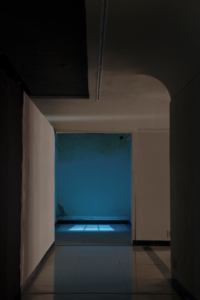
The work here was developed for Let’s Proceed in Parts, a solo exhibition presented by Exhibit 320 at Instituto Cervantes, Delhi, in 2016. This work emerged from my interest in finding poetry within architectural space. The exhibition took its conceptual departure from the ideas of time, movement, and rupture in the poetry of Nicaraguan poet Rubén Darío, especially his poem titled Vamos Por Partes (or Let’s proceed in parts) (Abrojos, 1887) and a critical prologue on him depicted in Mexican writer Octavio Paz’s famous volume Selected Poems by Rubén Darío (1965). Stemming from these prompts, the exhibition acts as a means towards creating a space accentuating the oscillation of the eternal trap of time, which manifests the amalgamation of cosmic diversity.
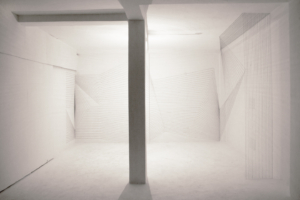
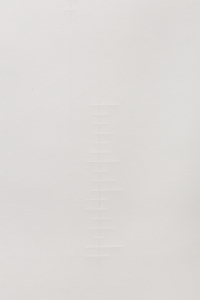
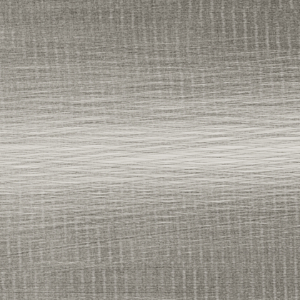
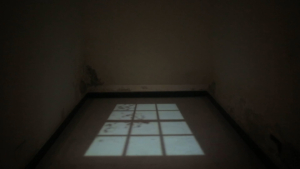
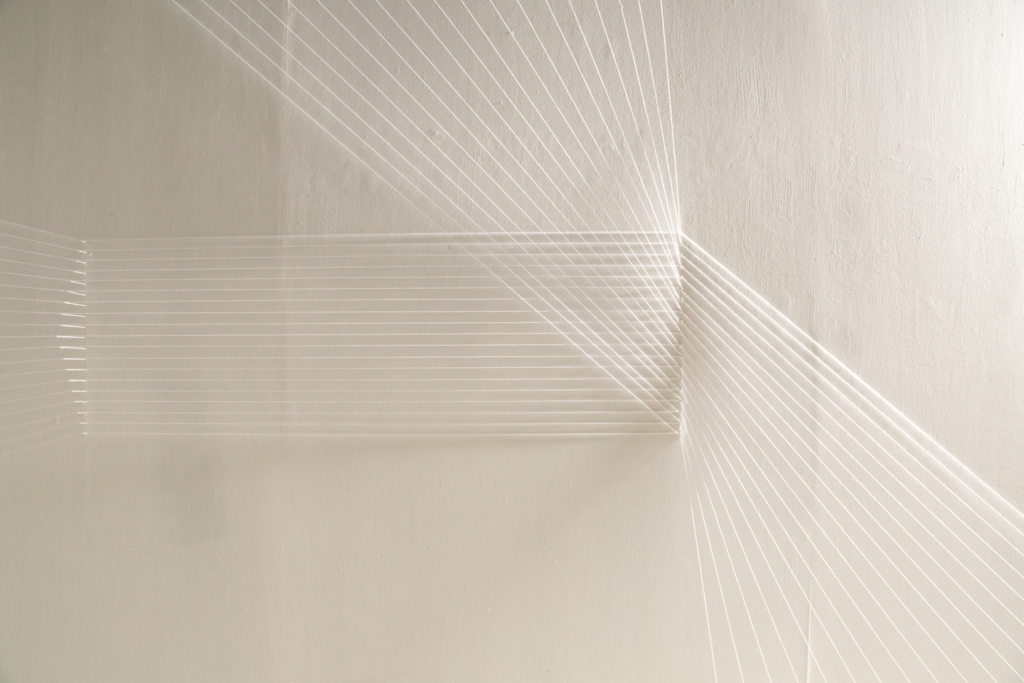
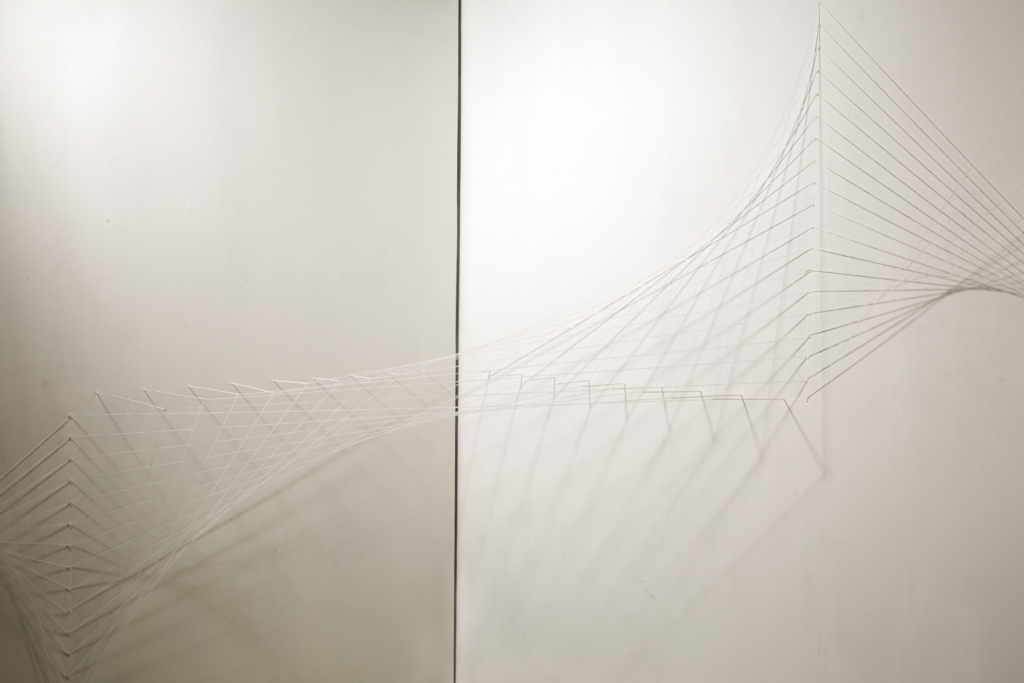
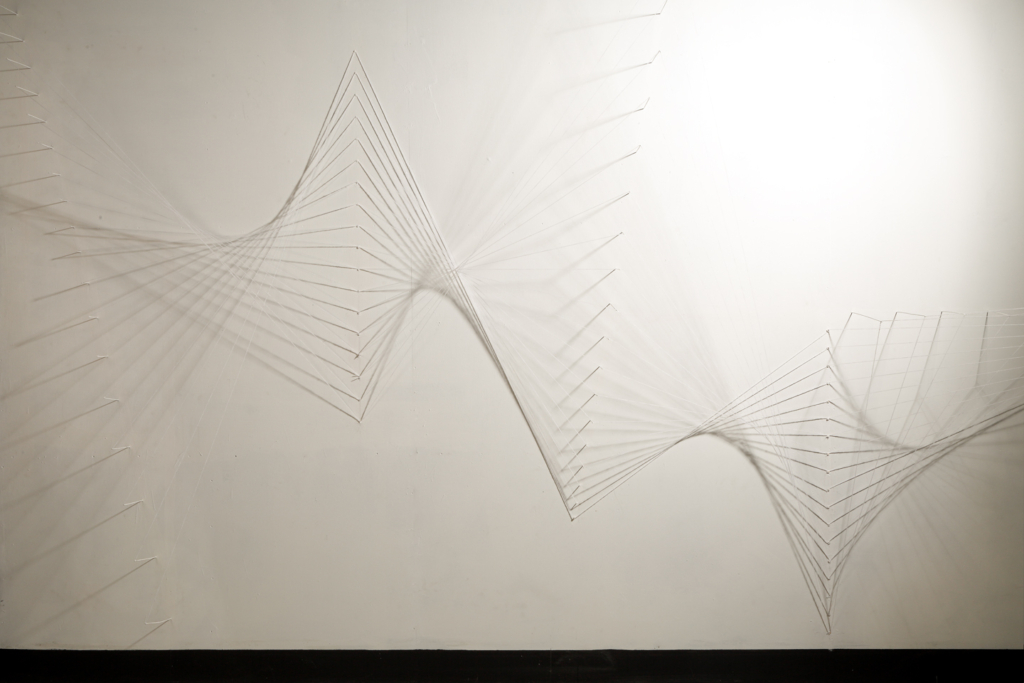
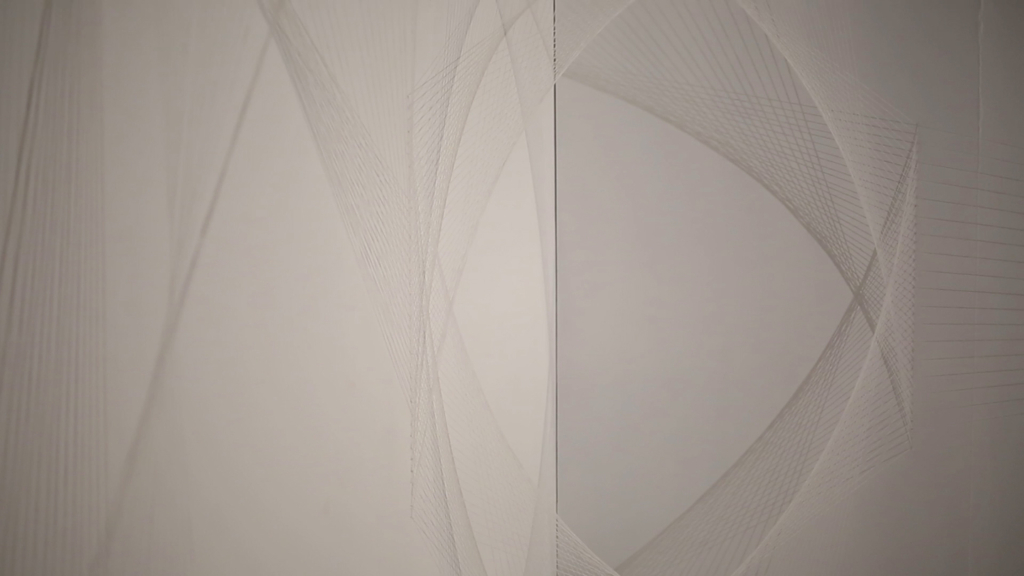
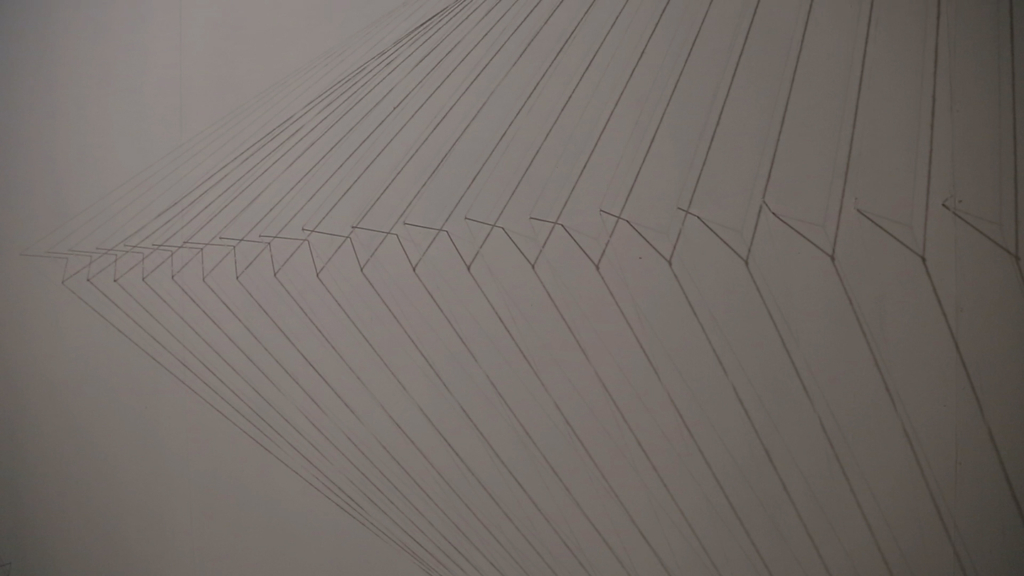
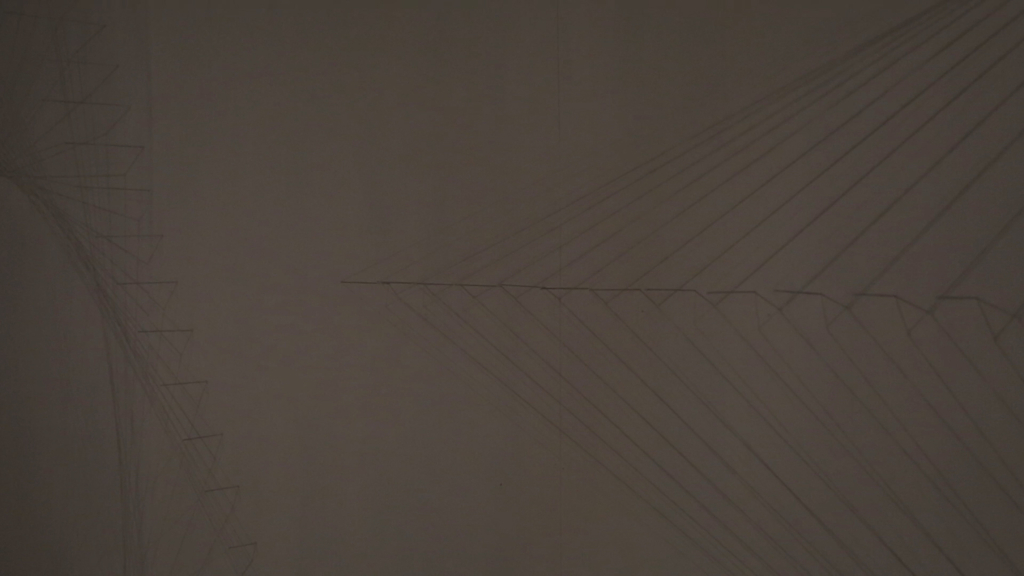
An immersive, three-dimensional drawing created using thread, nails, and light, the site-specific installation is an extension of my previous Drawing in Space from the Making Space project. The exhibition space that time at Instituto Cervantes consisted of one large basement hall with its huge walls, and therefore a temporary room with four flat walls and a ceiling of limited height covered with black fabric was created for the exhibition. Unlike the previous site for site specific drawing, whose columns, structural elements, and spatial irregularities offered distinct architectural character and conditions to respond to, the space here appeared slightly bland and devoid of the same. Therefore, rather than primarily utilising architectural space as an element of focus, the idea of working with shadows came to the forefront as a way of experiencing the spatial expansion of the drawing beyond its physical boundaries and holding the space together through light and movement. The work was made with white yarns protruding out of the walls through needles placed into the walls, floors and ceiling creating a three-dimensional linear composition.
Two light sources were mounted upon a kinetic mechanism at the centre of the space’s ceiling, moving at a very slow pace in clockwise and anticlockwise directions. As the lights moved, their shadows travelled continuously across the four walls and the floor. At the same time, the white thread placed against the white walls became visually absorbed into the space, appearing almost like another layer of shadow. Playing with the inherent material, the white thread was deliberately used, allowing the material to merge with the wall while retaining the linearity of the drawing through its shadows. Due to such interplay of light and shadow, constant movement, and architectural space, it led to a visual struggle for viewers to be able to keep their eyes static within this dynamic, shifting environment. Furthermore, this phenomenon also elicited contrasting bodily responses within the audience. While for some viewers, the continuous shifting of shadows created a sense of disorientation and motion sickness. For others, the same experience became calming and meditative. The work therefore extended beyond the visual experience of the drawing into a physical, spatial and perceptual encounter.
Link to the project https://parulguptastudio.com/work/solo-project-lets-proceed-in-parts/