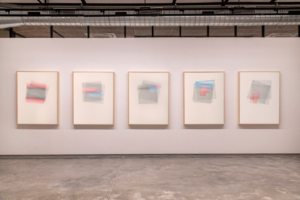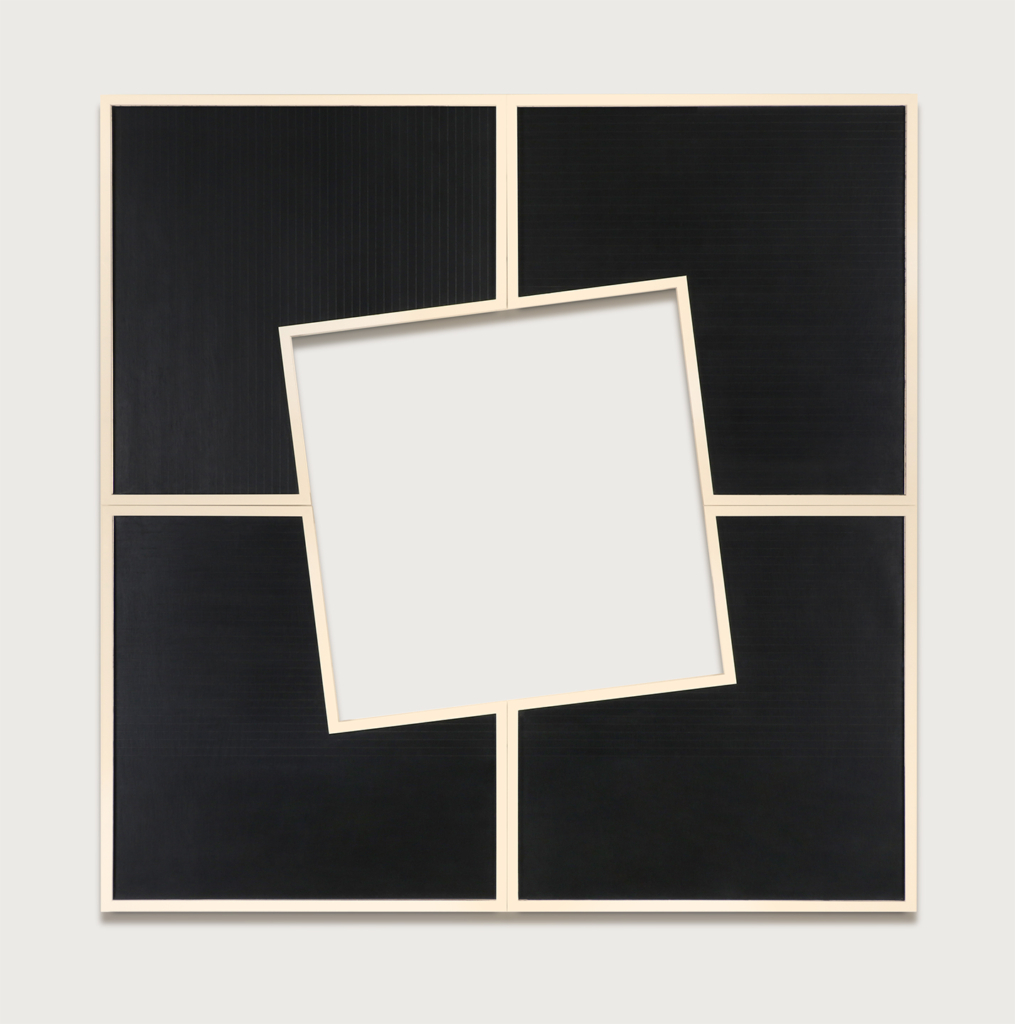
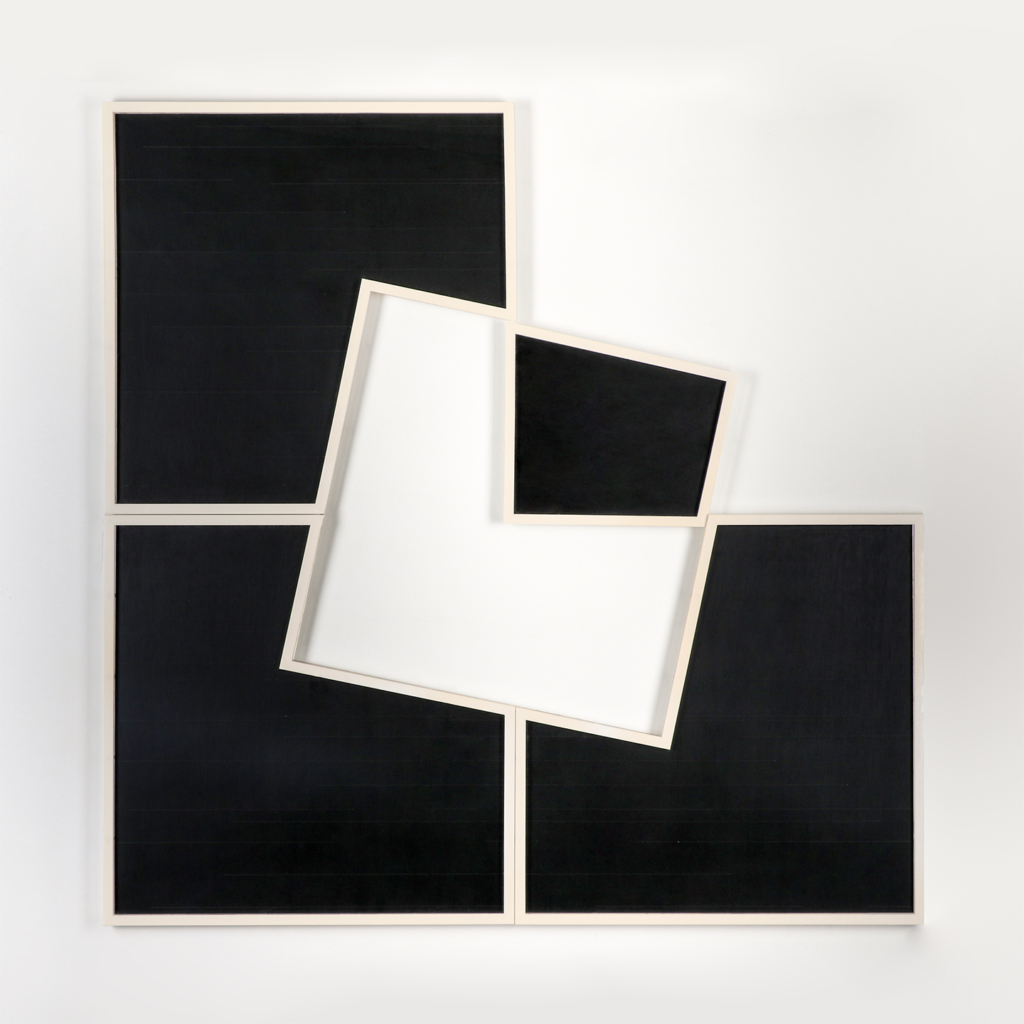
Minus #33 I 101.2 X 101.2 cm
2018 I Oil Pastel and Etching on Archival Paper
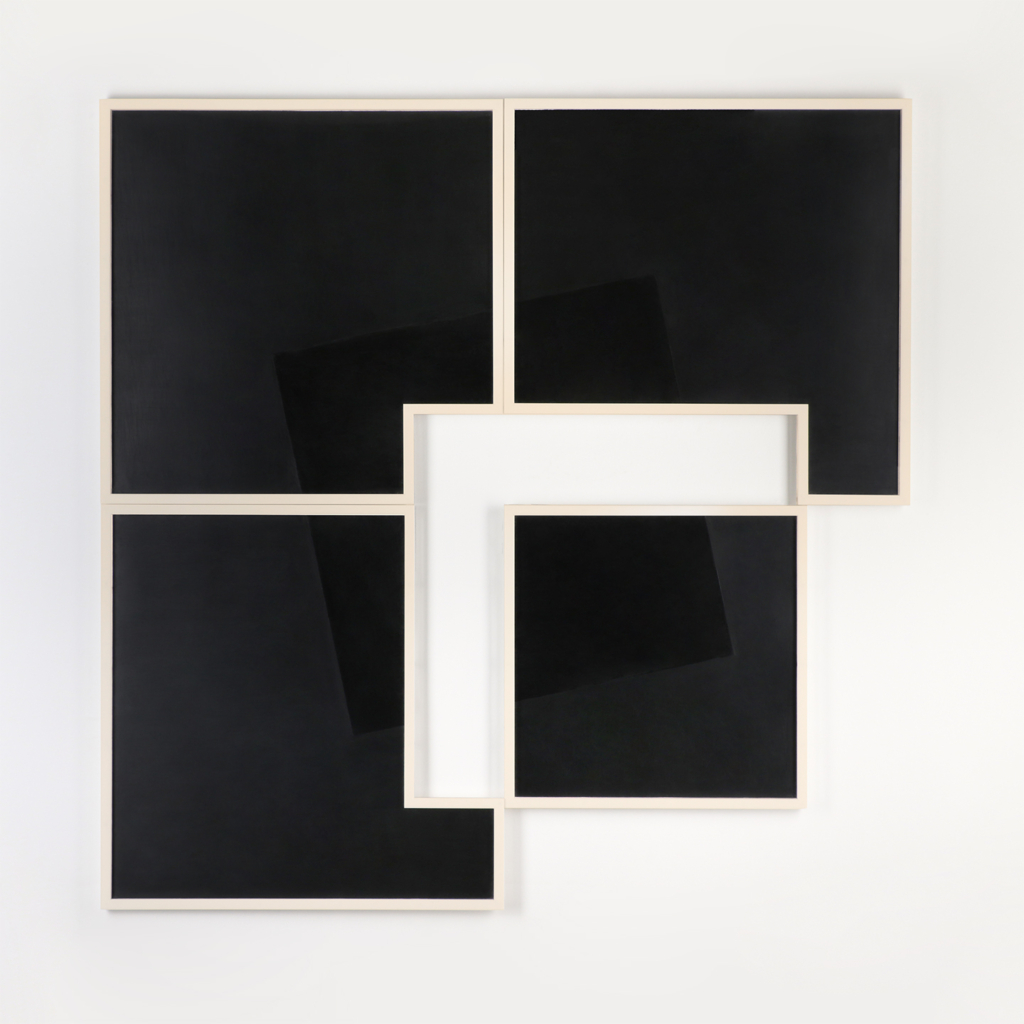
Minus #34 I 101.2 X 101.2 cm
2018 I Oil Pastel on Archival Paper
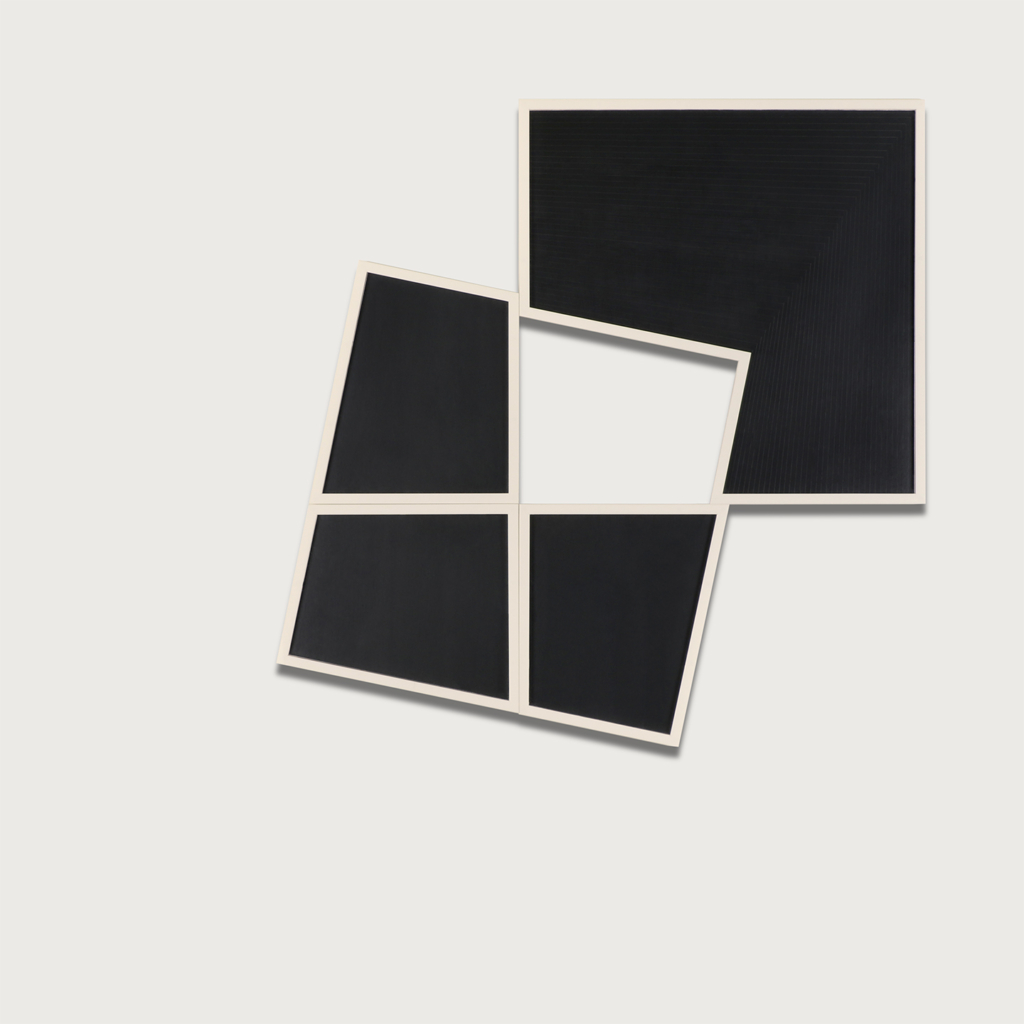
Minus #35 I 101.2 X 101.2 cm
2018 I Oil Pastel and Etching on Archival Paper
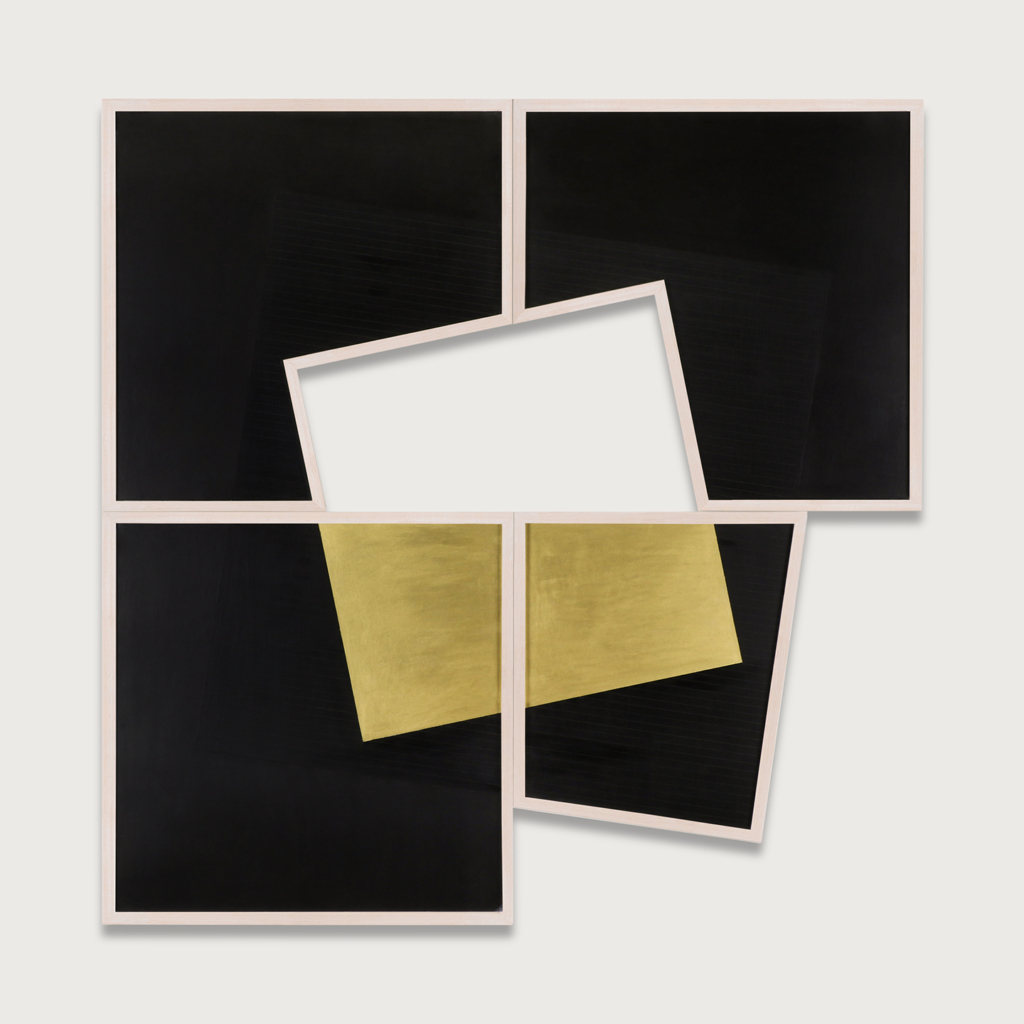
Minus #36 I 81 X 81 cm
2018 I Oil Pastel and Etching on Archival Paper
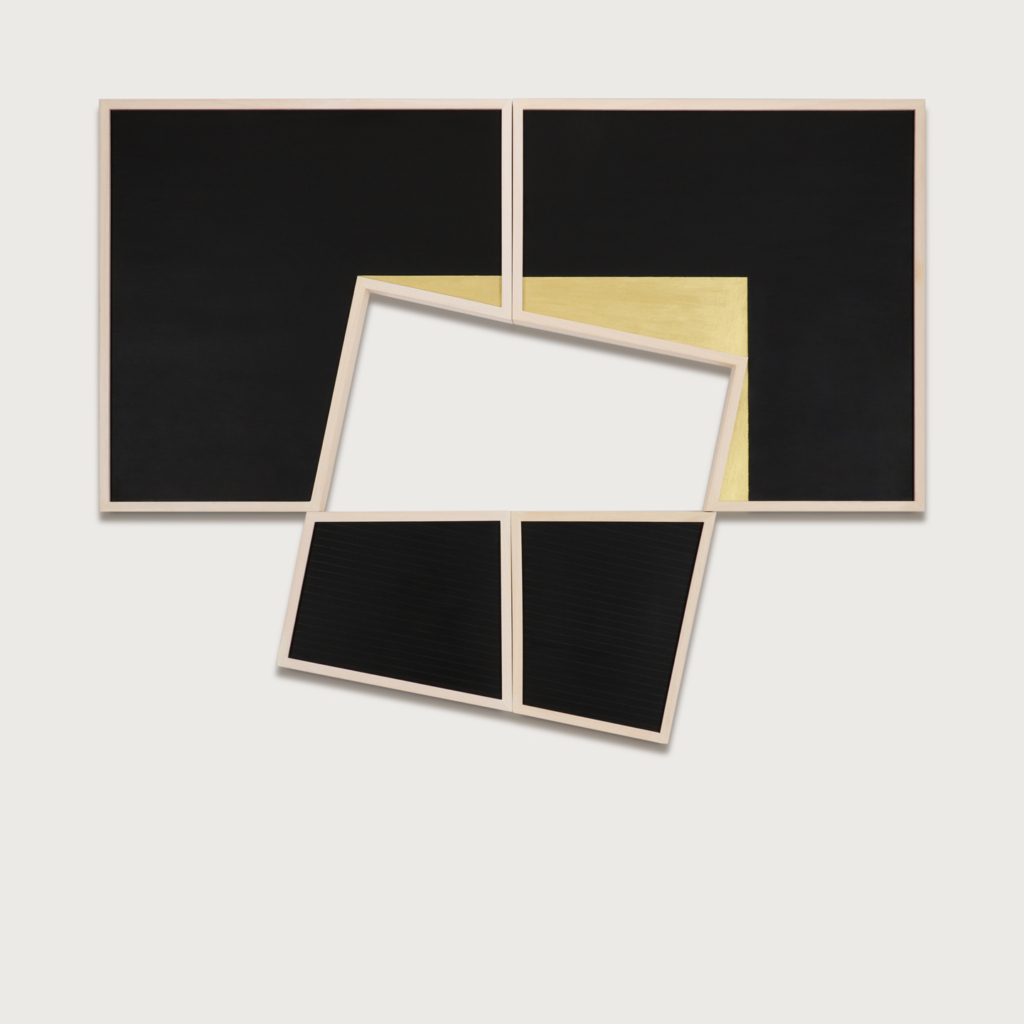
Minus #38 I 101.2 X 101.2 cm
2018 I Oil Pastel and Etching on Canvas Stretched on Board
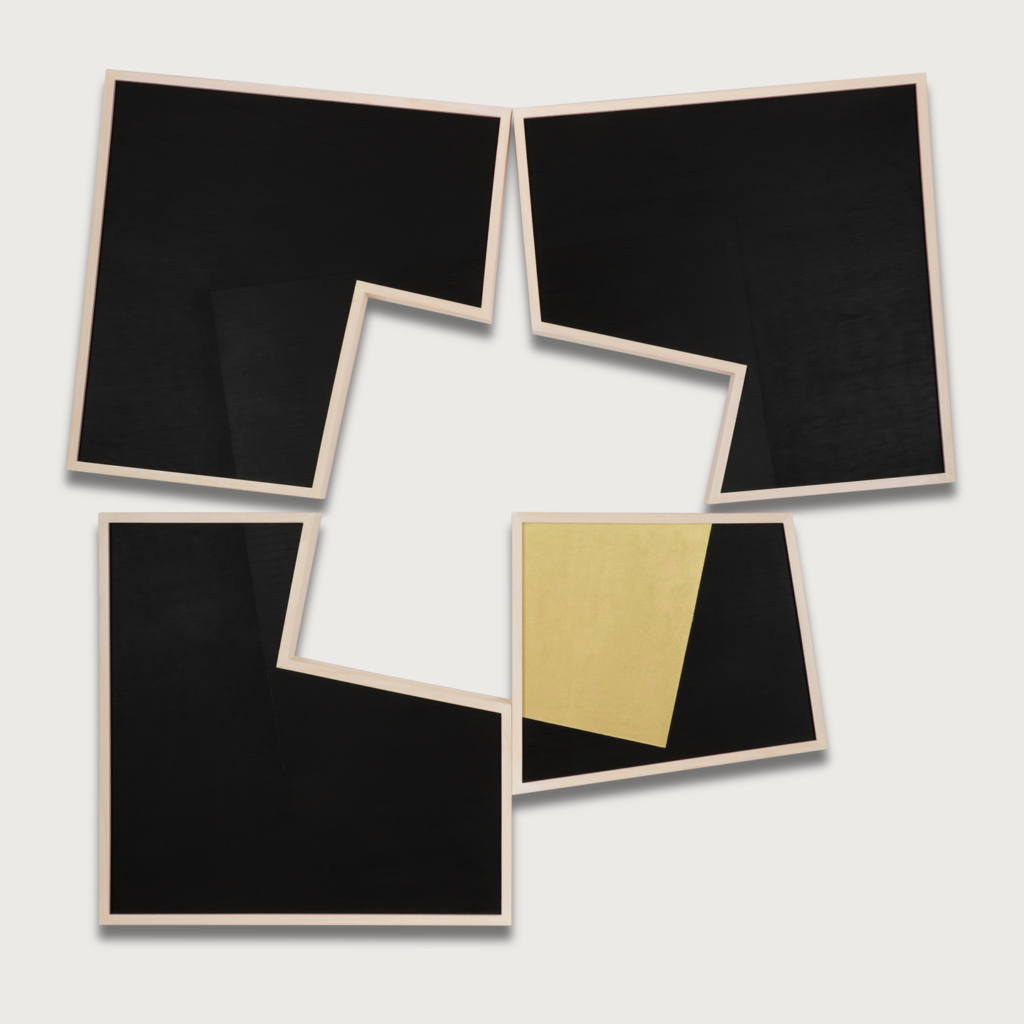
Minus #103 I 101.2 X 79.6 cm
2021-2022 I Oil Pastel on Canvas Stretched on Board
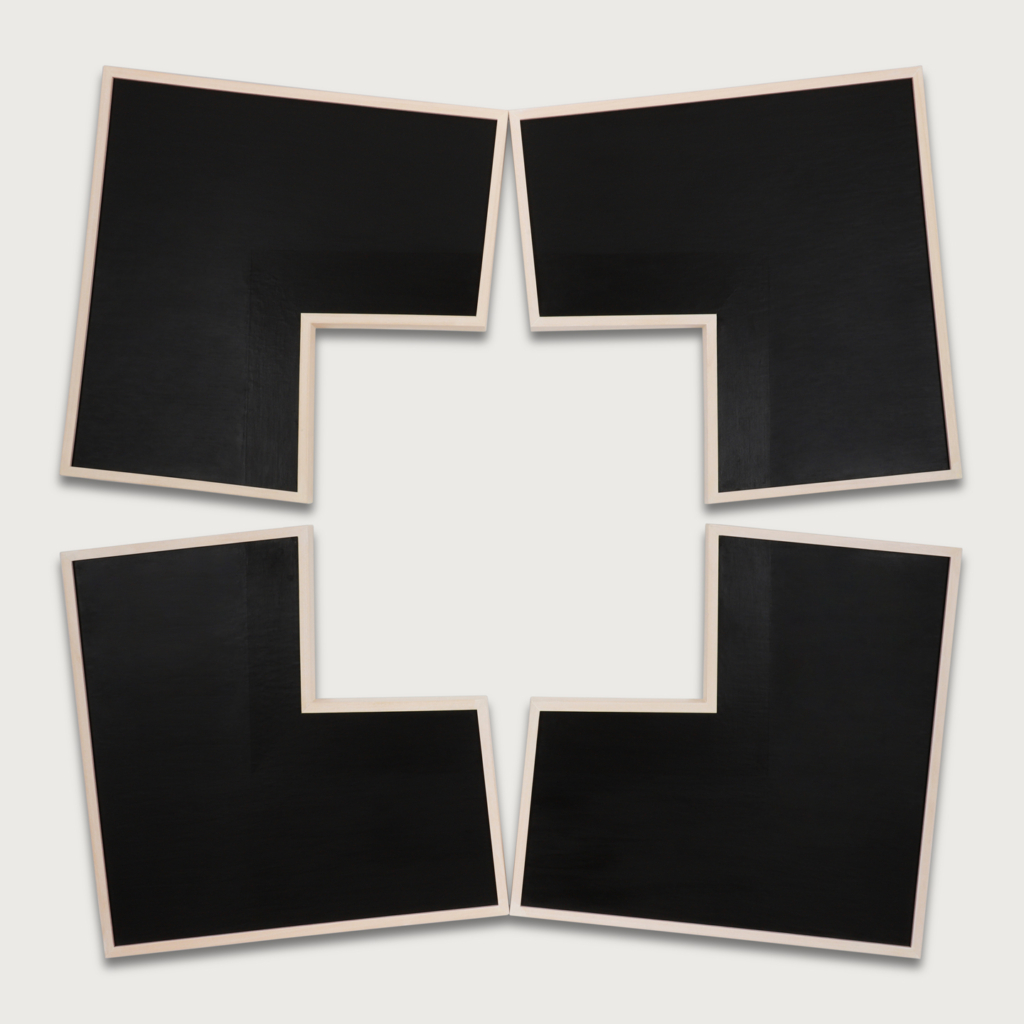
Minus #104 I 110 X 110 cm
2021-2022 I Oil Pastel on Canvas Stretched on Board
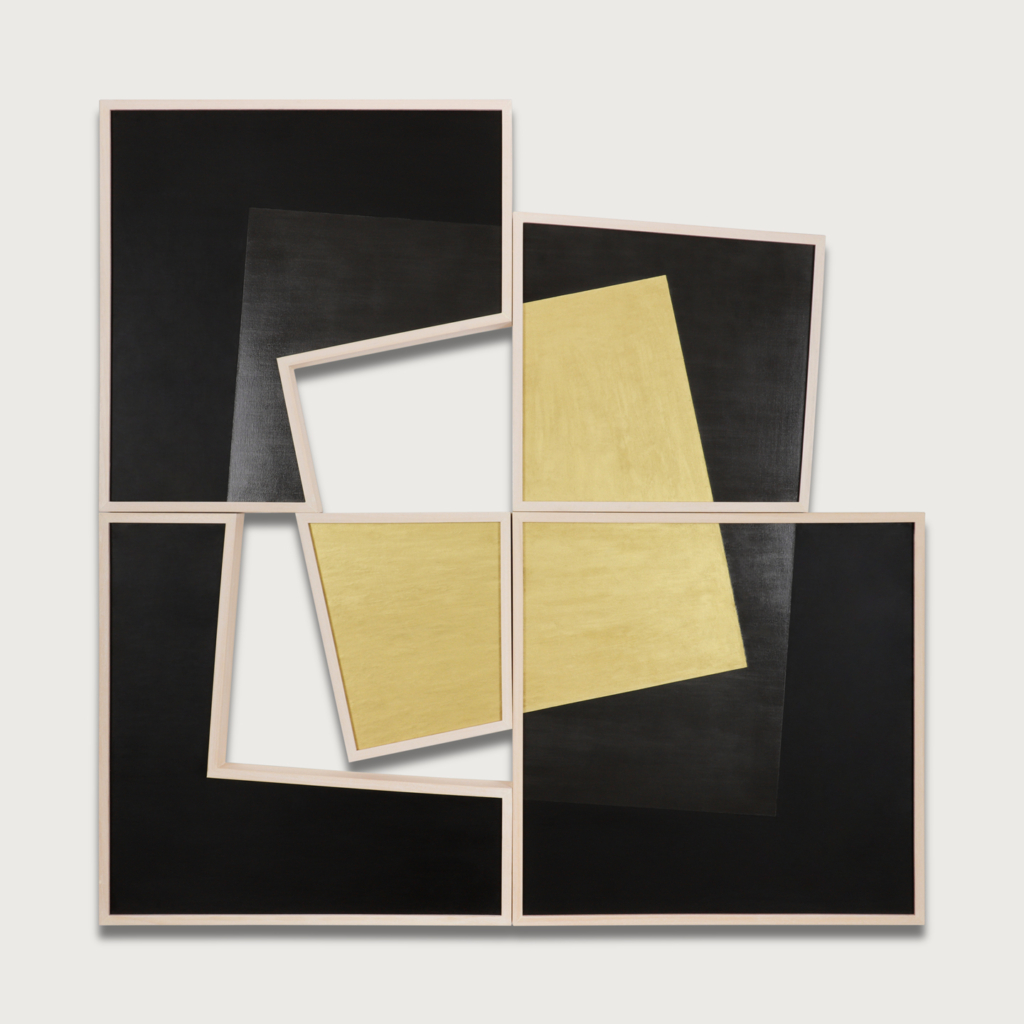
Minus #105 I 110 X 110 cm
2021-2022 I Oil Pastel on Canvas Stretched on Board
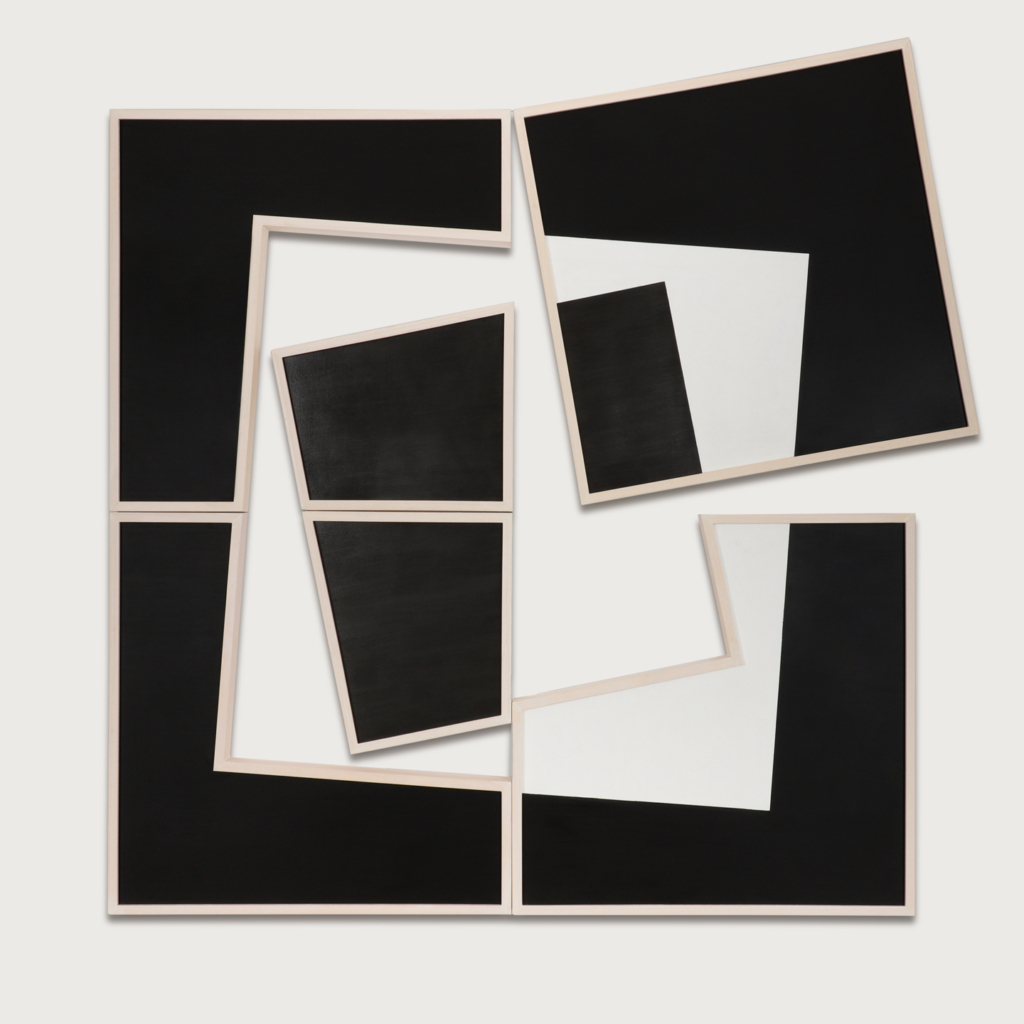
Minus #107 I 101.2 X 101.2
2021-2022 I Oil Pastel and Graphite on Canvas Stretched on Board
Minus #108 109.2 X 110 cm
2021-2022 I Oil Pastel on Canvas Stretched on Board
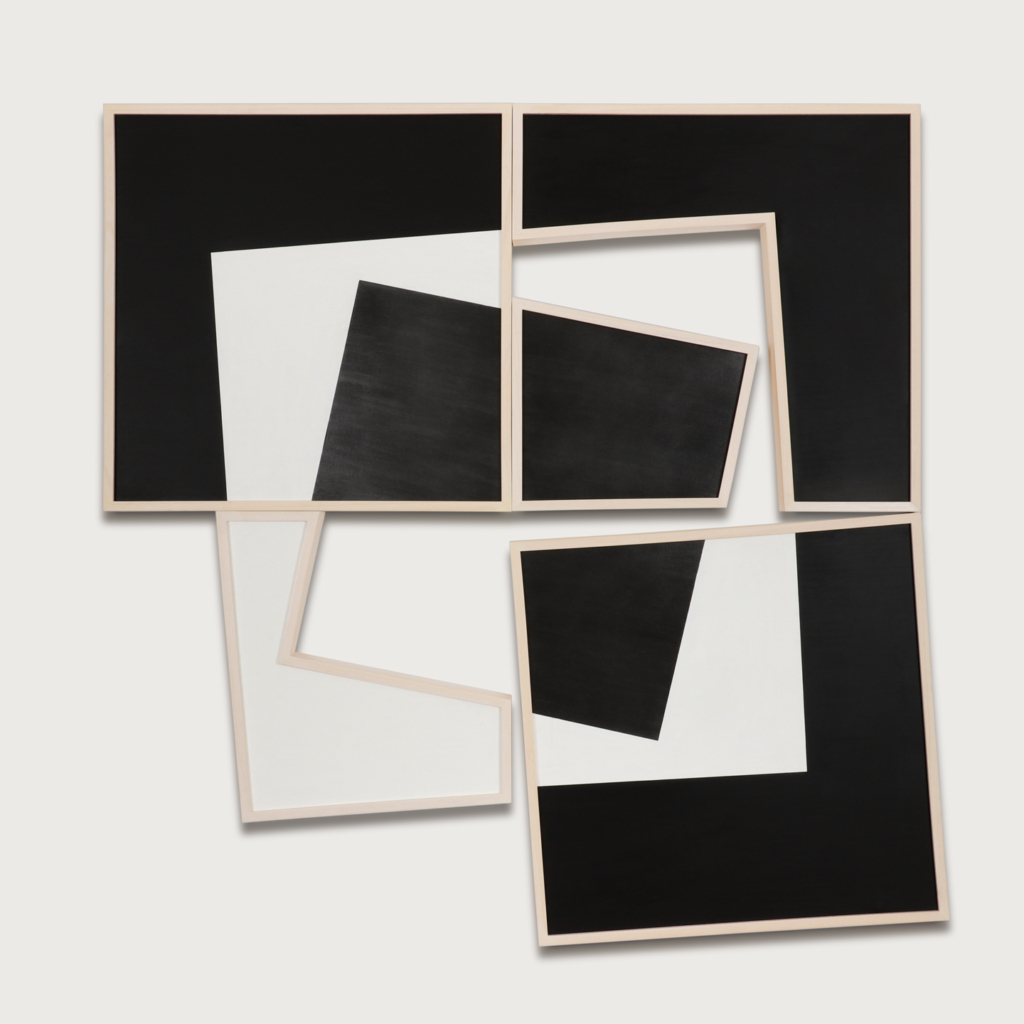
Minus #109
2021-2022 I Oil Pastel and Graphite on Canvas Stretched on Board
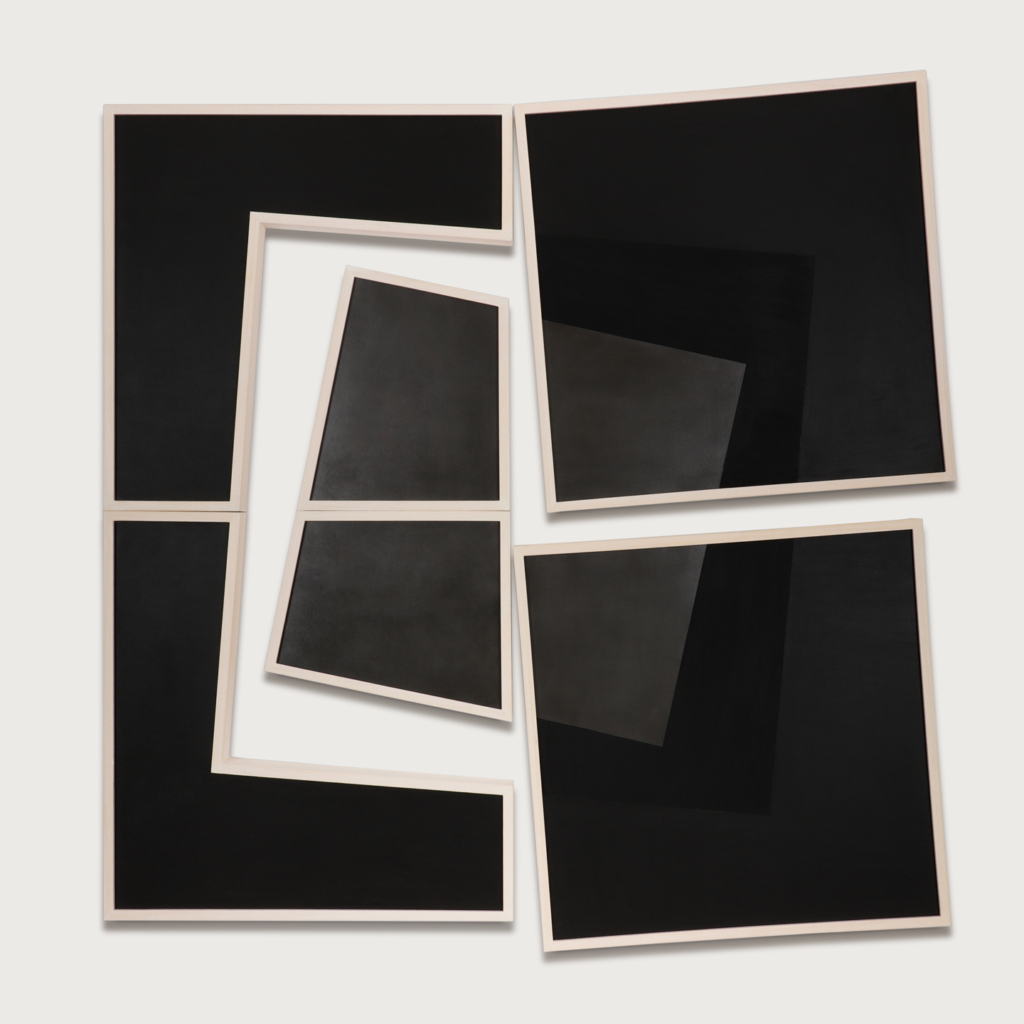
Minus #110 105.5 X 110 cm
2021-2022 I Oil Pastel and Graphite on Canvas Stretched on Board
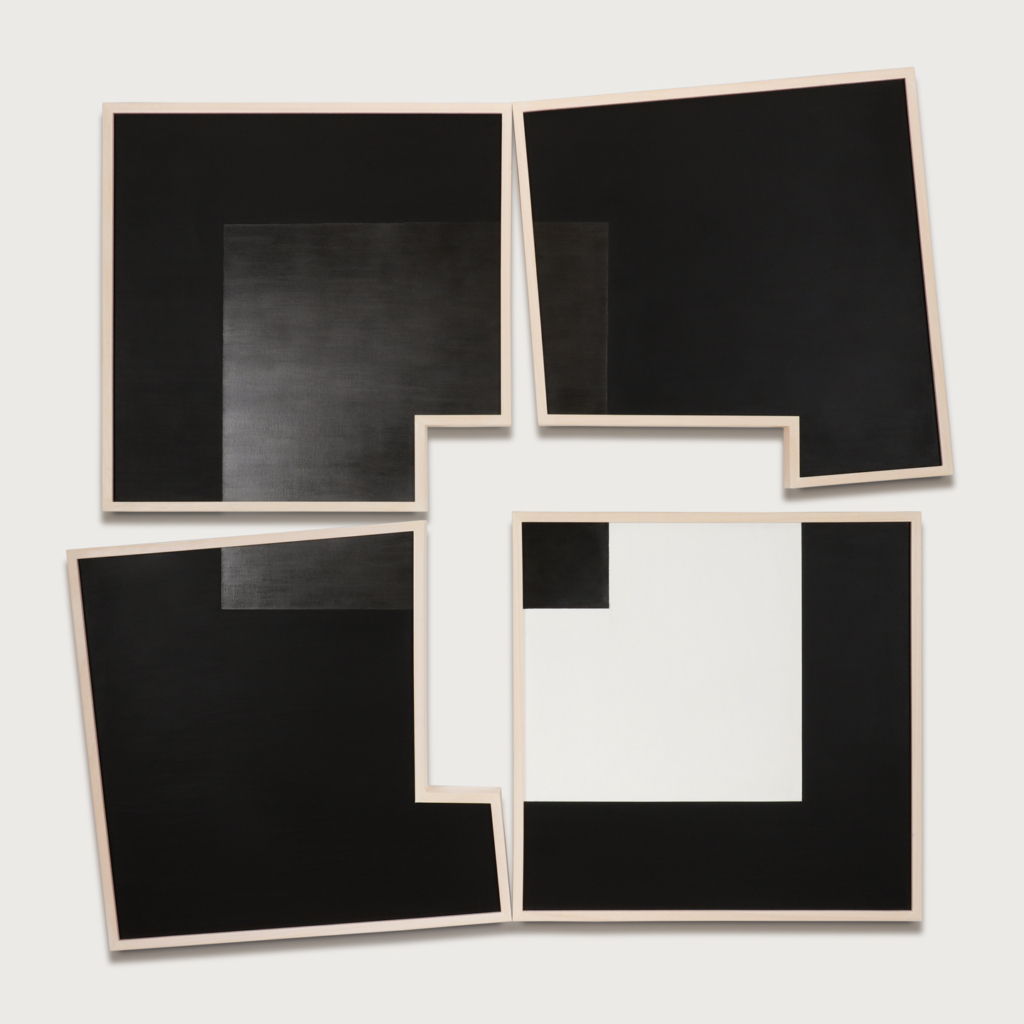
Minus #111 110 X 110 cm
2021-2022 I Oil Pastel and Graphite on Canvas Stretched on Board
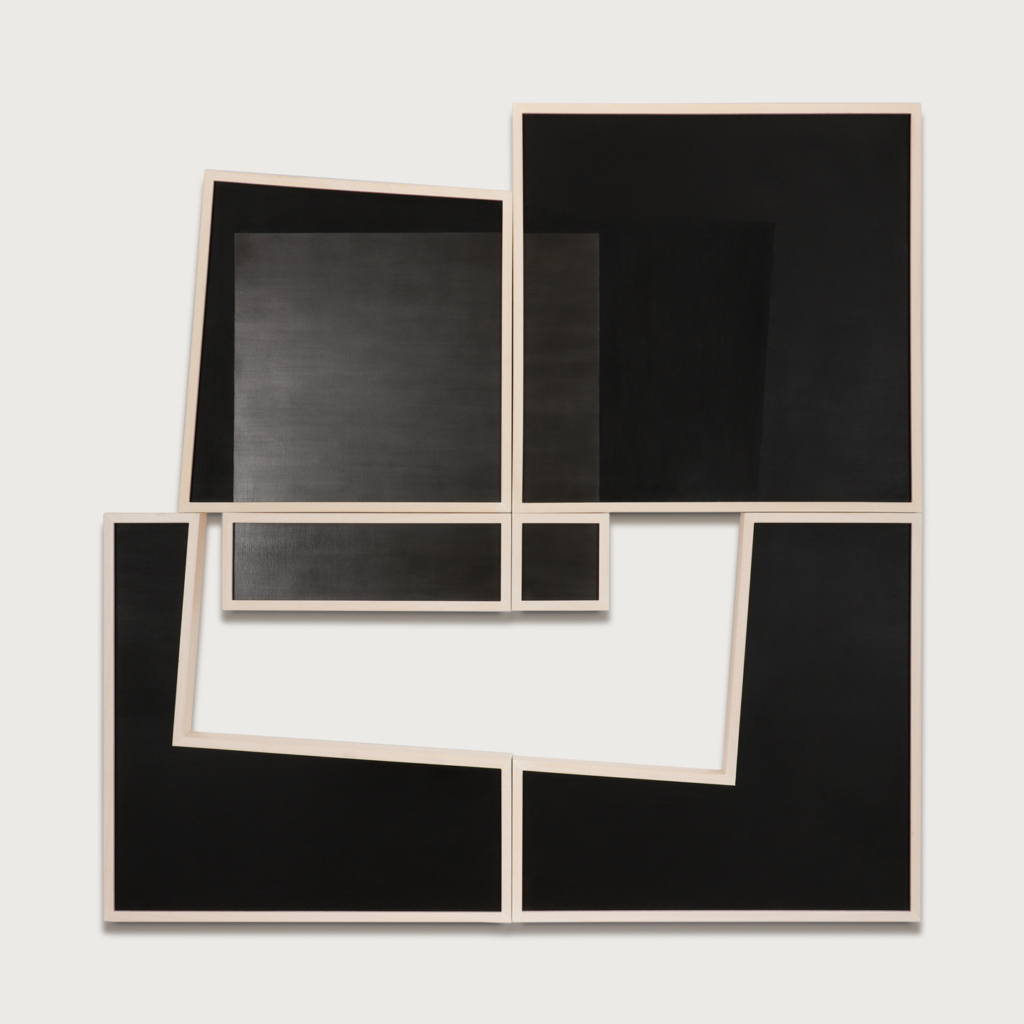
Minus #112 101.2 X 101.2 cm
2021-2022 I Oil Pastel and Graphite on Canvas Stretched on Board
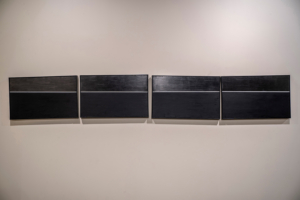
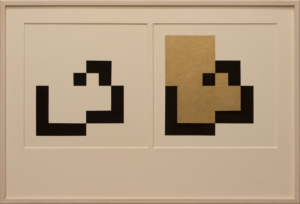
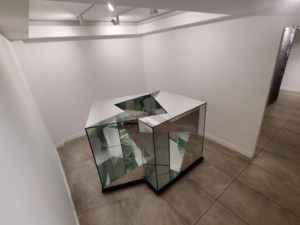
In Minus, the exploration of the square form is through the process of subtraction. By subtracting the part from the whole, the series reflects the idea that the ‘whole’ is still different from ‘the sum of its parts’, and the way our human eye perceives this formal displacement. The title ‘Minus’ here refers to the formal subtraction and to the void that it produces. The word instantly suggests a mathematical connection, an association that is deliberately interrupted by the perceptual and spatial possibilities that emerge from the removal of a part. The resulting void is therefore not simply an absence, but it becomes an active part of the composition. Small shifts in alignment create perceptual gaps through which the eye attempts to connect fragments, complete forms, and establish relationships that may not physically exist. With the use of oil pastel and charcoal on paper, the series generates a form that is neither completely broken nor entirely intact. And yet, it remains recognisable while being continually disrupted, questioning the apparent certainty of grids, geometrical order, and spatial boundaries. And this act of formal displacement and perceptual reconstruction thereby creates new ways of seeing space, movement, and balance within the viewer’s mind.